How do you build electronics that must operate reliably underwater, withstand shock and vibration, and at the same time meet new requirements for security, cryptography and integration?  

And how do you develop robust solutions when the technology is not only required to work today, but for decades to come? 
Meet Alexander:

When Every Decision Matters

In the hardware and electronics environment at Kongsberg Gruppen Naval Systems, the answer is the same every time: you do it together – with strong professional expertise, curiosity, and a clear focus on the people behind the solutions.

Robust Electronics for the World’s Most Demanding Environments 

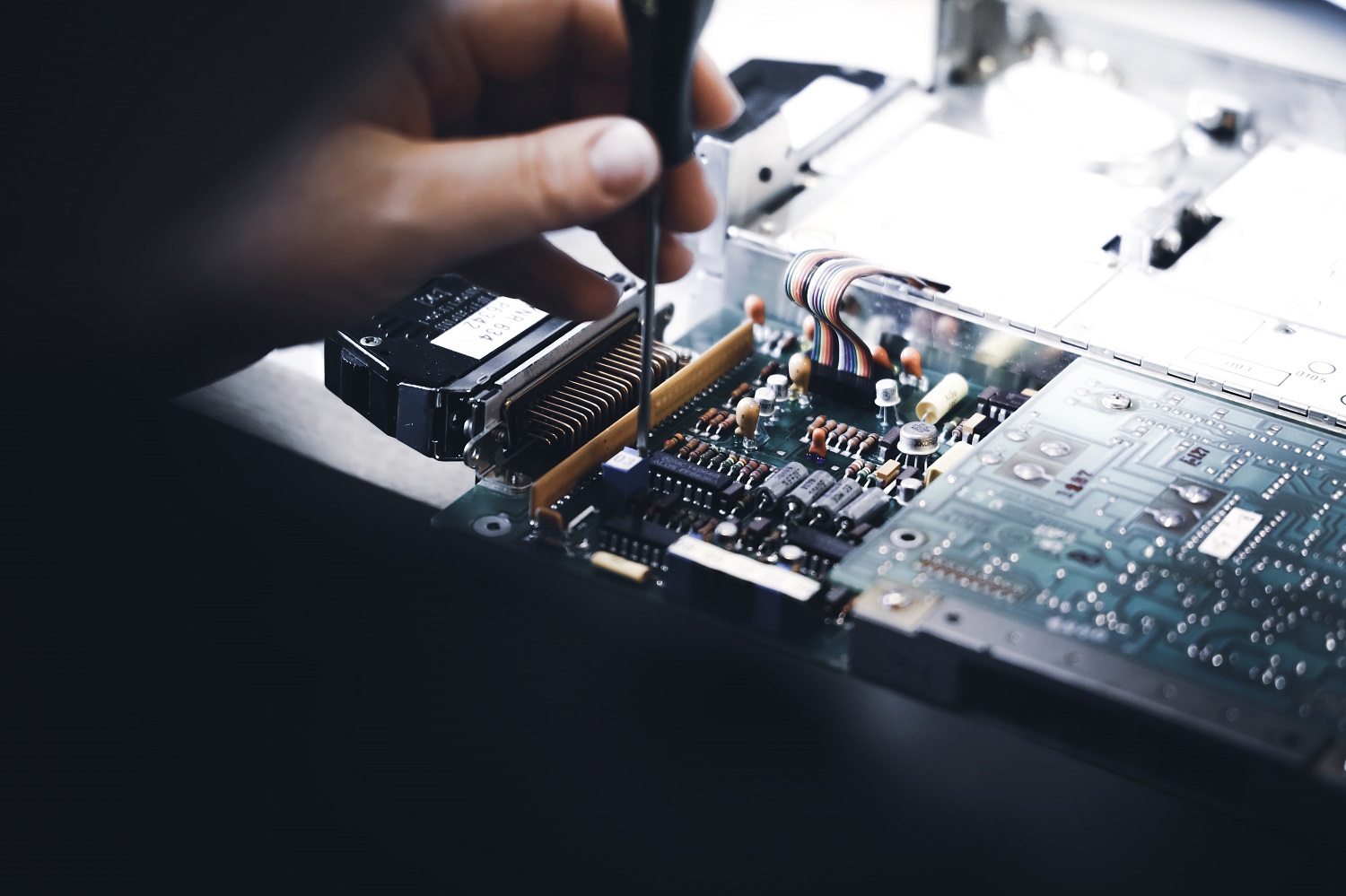
As Head of Hardware at Naval Systems, Alexander is responsible for the team that develops and assembles the entire electronic foundation of KONGSBERG’s combat systems for submarines, frigates and other vessels in the Royal Norwegian Navy. 

“To put it simply, we work on everything that is physical hardware – and that software can run on,” he says with a smile. 

“We develop robust hardware solutions for the entire electrical system – everything from how a display is built, to specially developed electronic modules that solve very specific challenges,” he explains. 

The department covers everything from PCB design and electronic module development to battery technology, control units, cable design, cabling and electromagnetics. 

We have a strong and diverse professional environment, which gives us a unique opportunity to build expertise across several disciplines and contribute throughout the entire development lifecycle.

Continuous Development in a Changing World 

One of the technical challenges the department faces is that system requirements are constantly evolving. New vessel classes, stricter security requirements and changing design specifications mean that solutions must continuously be adapted and further developed.

“Our system often has to be adapted to new sensor technology and customer requirements. To achieve that, we need specialist expertise right down to the finest detail – particularly in areas such as cabling,” he says. 

“We manufacture many components ourselves. When it comes to cabling, it’s about understanding what the different modules require, and which cables and connectors should link them together. To make the right decisions, we need detailed insight into every single component and module,” he continues. 

Another key technical challenge within electronics is security, particularly preventing signals from being intercepted. 

“For us, it’s not only about electromagnetic signals, but also acoustics, since our products are used underwater. The electronics must not emit unwanted noise. Secure underwater electronics must not be susceptible to wiretapping. In submarines and other naval vessels, magnetism also plays a major role – both the electromagnetic emissions from the electronics and the magnetic properties of the materials we select,” he explains. 

Technology Choices That Must Last for Decades 

These stringent requirements mean the department must work meticulously with how components interact with one another and with the system as a whole. This influences both the design work and the testing process. 

“Our job is to understand the entire chain – from components, via module level and cabling, to the complete system,” he says. 

“The electronics are rigorously tested. They must withstand shock, vibration and extreme environments, while also remaining silent and electromagnetically secure underwater. This places high demands both on technology choices and on understanding how individual components affect the overall picture,” he elaborates 

Although the hardware team often works with advanced components, the choices are rarely straightforward. 

“We build systems for vessels with long service lives, and what we choose today must function many years into the future. That means we cannot always select the very latest technology, as the solutions must be proven and reliable. The job is not about choosing the most modern option, but the one that is right for the task the system must handle,” he says. 

An Interdisciplinary Environment with Room to Grow  

On the same floor, developers within electronics, mechatronics and mechanics sit side by side, working closely with both the systems and software departments. The company’s matrix organisation ensures close collaboration in interdisciplinary projects, regardless of formal departmental affiliation. 

“We learn an enormous amount from one another. It strengthens the professional environment and makes it possible to build expertise across disciplines,” he says. 
This also provides flexibility for individuals. 

“Instead of being pushed into a fixed role, employees have individual development plans and the opportunity to influence both their professional direction and their career path,” he explains. 

Career Paths That Follow the Individual – Not the Other Way Around 

The environment includes both generalists and specialists, and the need for in-depth expertise ranges from broad electrical engineering knowledge to niche areas such as cable and connector technology, fibre optics, EMC/EMI, hydroacoustics, magnetism, material selection and advanced electronics development using FPGA. 

We need the full scope. Some people love the details; others see the bigger picture. The most important thing is the desire to continue developing.

Experience Is Built Over Time 

Many tasks require something that cannot be learned from books alone: experience. 

“Not everything can be learned at university. Some things simply have to be experienced – for example, understanding the supplier market, knowing where challenges may arise, being aware of component lead times, and knowing what to do when something goes wrong. That kind of experience is built up over time,” he says. 

At the same time, he emphasises that seniority and experience are not merely about the number of years in the profession. 

“Our senior employees are defined first and foremost by their reliability and strong people skills. We succeed as a team — not alone,” he continues. 
Experience can come in many forms. 

“Some have worked in the field for many years, others learn extremely quickly, and some come from entirely different professions and bring valuable interpersonal skills. It’s about maturity, reflection, and the ability to contribute to a working environment where we look after one another.” he explains. 

Alexander manages the hardware team in Naval Systems.

A Safe and Supportive Working Day 

Alexander is clear about one thing: people should enjoy coming to work. 
“We spend a third of our day here. That means we must thrive together. Psychological safety, being seen, and experiencing a sense of achievement are absolutely essential,” he says. 

The environment is growing rapidly, and the need for both more engineers and more leaders is increasing. Recruitment is therefore not only about professional expertise, but also about interpersonal chemistry and culture. 

“We are not trying to find copies of ourselves. We are looking for people who complement the team and who want to be part of the culture we are building,” he concludes.