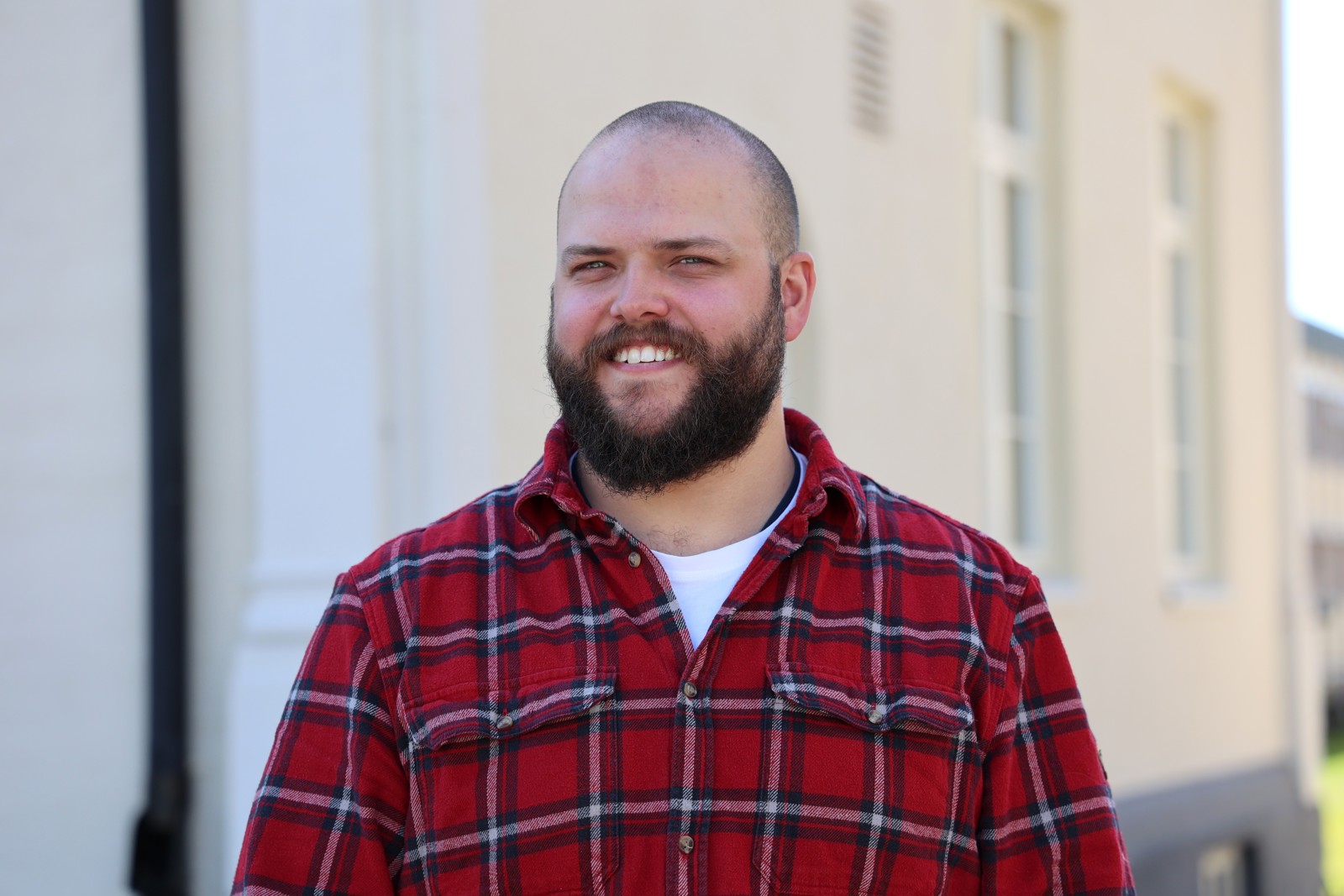
Meet Anders:

From Civil Engineering to Systems Engineering

For Anders, the master’s programme in Systems Engineering at the University of South-Eastern Norway (USN) became his gateway into both the tech industry and working life — despite not having a traditional tech background. After graduating with a degree in civil engineering, he faced a tough job market in the construction industry, which pushed him to explore new opportunities.

A change of direction

“Most people in the programme come from computer science or mechanical engineering, but it’s not a requirement,” Anders explains. “At its core, it’s about being curious and wanting to understand how systems work together.”

After completing his degree at the Western Norway University of Applied Sciences, and after a year of job searching, he decided to rethink his path — leading him in a completely different direction than he had originally planned.

An unconventional entry point

It all began with a message on LinkedIn.

“I reached out to a line manager at KONGSBERG and asked if we could have a chat. It turned out to be a really good idea,” he says with a smile.

That conversation opened the door to the Systems Engineering master’s programme — a unique opportunity to combine work and study.

“They were interested in my background but made it clear that enrolling in the programme was a requirement,” he explains.

Like many others after finishing my bachelor’s, I wasn’t exactly eager to go back to school. But this setup — combining a master’s degree with a job and a salary — made perfect sense. It’s a great deal!

Anders

Study and work — combined

The programme is designed as a three-year, part-time master’s degree, allowing students to work alongside their studies.

“You work at least 50 percent while studying. The teaching is organised in intensive sessions, where you’re on campus full-time for a week at a time, instead of regular weekly lectures. Exams are home assignments over several weeks and often closely linked to your work,” Anders explains.

From construction to high-tech

Although moving from construction to defence technology might seem like a big leap, Anders sees clear parallels.

“A building can be seen as a product — just like a missile. It’s a complete system made up of many smaller systems that need to work together. And often, that system is part of an even larger system. In other words, it’s a system of systems,” he explains.

Alongside his studies, Anders works on developing production test equipment for missiles at KONGSBERG.

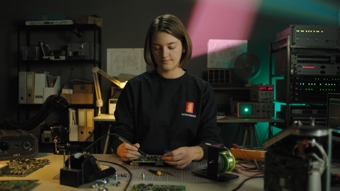
“As systems engineers, we don’t do the hands-on work like soldering or coding ourselves. Instead, we guide and ensure the quality of the development. Our job is to make sure that what’s being built actually works — and meets the needs of all stakeholders,” he says.

“The role involves identifying stakeholders, defining requirements and system architecture, following up on processes, and ensuring everything works as intended through verification and validation,” he adds.

Where theory meets practice

One of the biggest strengths of the programme is how closely it’s tied to real work.

“What you learn is directly applicable. I’ve solved real challenges at work through assignments from my studies several times,” he says.

It also makes the transition into full-time work seamless.

“You’re part of the organisation from day one. I’ve never felt like ‘just a student’ — I’ve been treated as a regular employee. That’s both motivating and incredibly valuable.”

The value of different perspectives

For KONGSBERG, Anders represents something important: the value of diverse backgrounds.

Systems Engineering is about seeing the bigger picture and understanding how complex systems fit together.

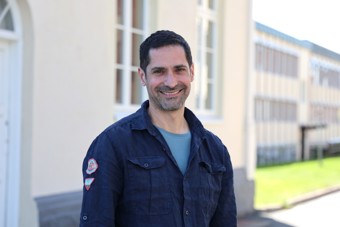
Justin, Team Lead for Systems Integration & Analysis at KONGSBERG
“That’s why we need different perspectives — both technical and non-technical — to identify the best solutions and manage dependencies across systems,” Justin continues.

He also points out that valuable skills can come from many places.

“Experience from operations, production, or other fields can lead to better and more practical solutions — ones that are easier to develop, use, and maintain,” he adds.

At the same time, the role requires strong interpersonal skills.

“One of our key responsibilities is to identify the right experts, gather insights from them, and turn that into a clear framework for engineers. That’s why people skills and confidence in working with others are so important,” Justin continues.

As the organisation continues to grow, there is a constant need for new talent.

“We’re particularly interested in people who bring both technical understanding and user insight. We often evaluate new concepts against customer requirements, and the ability to quickly see both perspectives is incredibly valuable,” Justin finishes.

Many paths ahead

With an industrial master’s degree in Systems Engineering, a range of career opportunities opens up — from systems engineering and architecture to project management and business development.

For Anders, the next step is clear.

“I really enjoy working at KONGSBERG and want to continue here. There are a lot of exciting opportunities internally that I’m eager to explore,” Anders concludes.