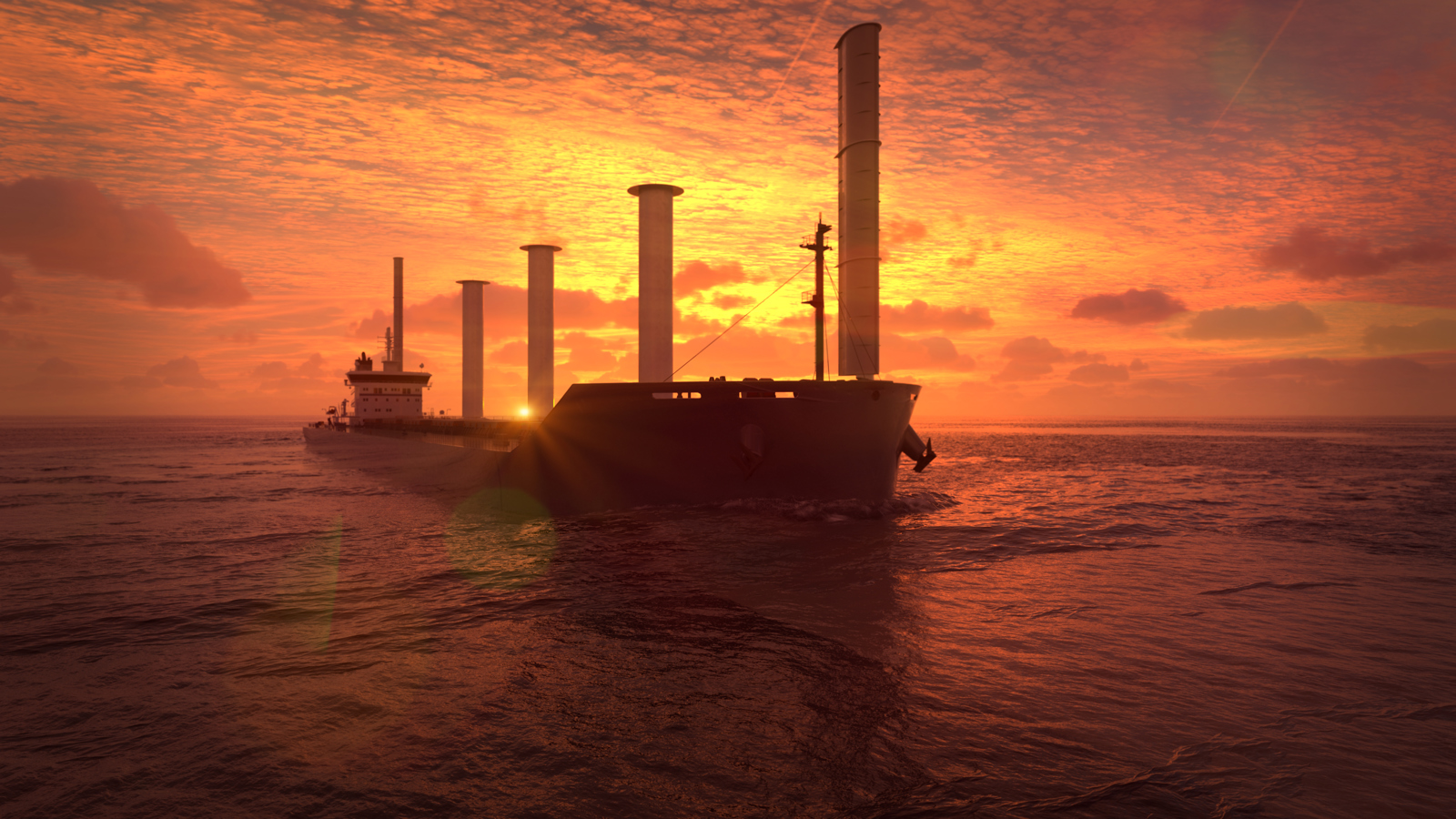
As shipping rediscovers the power of wind, it’s with rotating cylinders and advanced wings. K-Sail is a revolutionary technology designed to tackle one of the world’s most urgent challenges.
This summer, Kongsberg Maritime launched sails that mark a major technological leap towards a more sustainable shipping industry.
A race
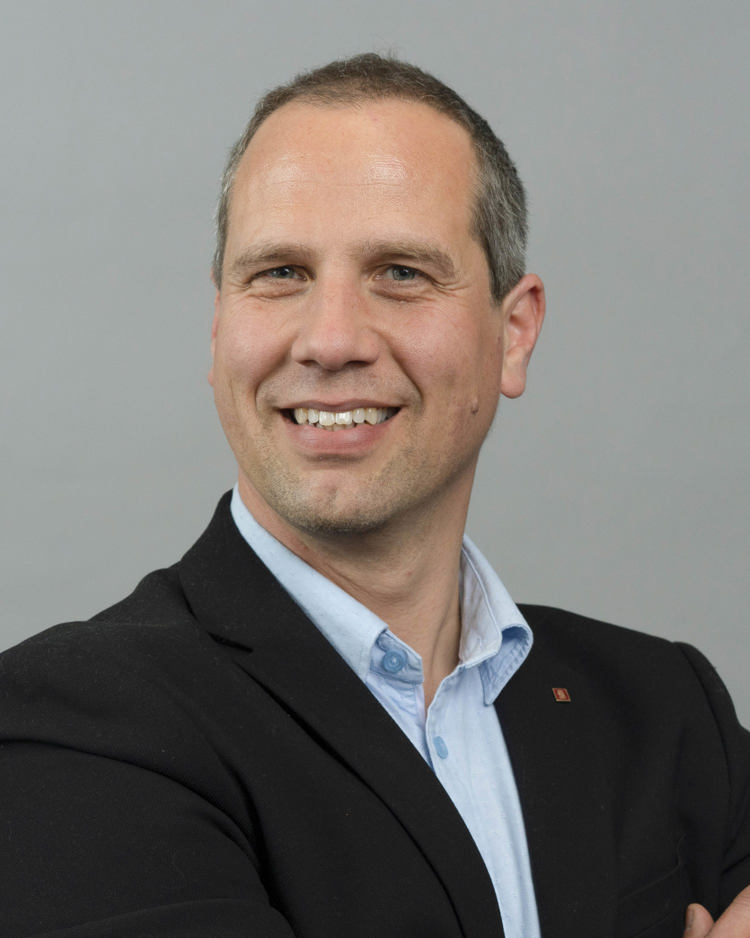
“This is essentially a race,” says Henrik Alpo Sjöblom at Kongsberg Maritime. As Vice President for Business Concepts with a background in aeronautics, he understands how airflow behaves when it meets solid surfaces—knowledge now gaining new value at sea.
“There’s strong pressure in the industry to use less fuel and less energy. We drew inspiration from traditional sailing, and now we see sails making a comeback. Technology is fantastic—especially when you can use proven principles in new ways,” he says. Sjöblom calls the technology revolutionary
“This is what happens when smart tech meets sustainable ambitions. Some brilliant minds have worked on this.”
- Henrik Alpo Sjöblom, Kongsberg Maritime
“We’re no longer just adding sails to ships. We’re integrating them into the entire vessel. The secret is clear communication with the crew - how to use the sails and understand that they’re actually sailing again.”
K-Sail is a flexible wind-sail system for both new and existing ships. It controls sails, automates the vessel, and optimises each route—creating a complete ecosystem.
Excess wind energy can be used for propulsion, steering, and energy management.
The system works with various sail types—from traditional sails to modern solutions like rotor sails, suction sails, and foil-like sails (VentoFoil).
Suction sail: Uses air pressure differences to create thrust. It generates suction (low pressure) on one side of the sail, pulling the vessel forward.
Rotor sail: A cylindrical structure that rotates and harnesses wind for propulsion.
VentoFoil: A non-rotating, wing-shaped sail with vents and internal fans that draw in air.
The green effect
Algorithms constantly calculate the optimal shape of the sails and adjust automatically, allowing the ship to use less fuel and emit less CO₂.
Green shipping as far as the eye can see
Can wind replace an engine burning 100 tonnes of diesel a day? Kongsberg Maritime believes the answer is yes. K-Sail offers a seamless system that maximises energy use. For shipowners, this means significant cost savings; for society, it means lower emissions and a cleaner future.
Shipping accounts for nearly three percent of global greenhouse gas emissions—about the same as Germany. Yet the industry has long avoided the strictest climate regulations. The UN’s International Maritime Organization (IMO) has proposed a long-awaited climate agreement for shipping. This would make CO₂ emissions more expensive and green sailing more attractive. For shipowners, wind-assisted technology like K-Sail could mean the difference between losses and profitability.
“Wind is essentially a free energy source. Managing how it’s used—alongside all other variable systems on board—is key to maximising this natural resource,” explains Sjöblom.
“K-Sail ensures every investment in wind technology delivers real value—more fuel savings, lower emissions, and smarter use of wind power.”
A tailored system
One of K-Sail’s strengths is its versatility. “Our system works regardless of the sail type chosen—and can even add value on ships without sails, where wind alone is strong enough, such as large car carriers,” says Sjöblom.
Integration starts with analysing the vessel and its operations. Then the right sail technology is selected, and the ship’s systems are adapted and optimised around this solution.
Our system operates independently of the type of sail selected for the vessel,
and it can even provide value on vessels without sails, where the wind conditions alone are sufficient.
First K-Sail vessel launched
In June 2025, the first wind-assisted tanker with K-Sail was launched. Tärntank, a Swedish chemical tanker operator, has long been a pioneer in green technology. Now they’re going all-in with K-Sail—making them one of the most environmentally responsible players in the Nordics.
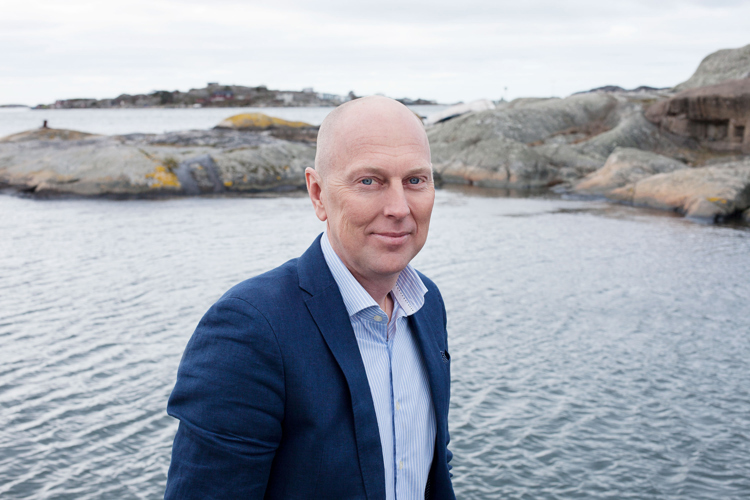
“At Tärntank, we always look for ways to reduce fuel consumption. It’s in our DNA,” says Claes Möller, CEO of Tärntank.
“The installation of VentoFoils and integration with the Kongsberg system went seamlessly. It’s great to see actual fuel savings match projections. We’re very pleased,” says Möller.
Tailored calculations were key: “Kongsberg Maritime helped us with a comprehensive feasibility study, using NASA wind data from the past 20 years to determine the best sail type for our trade routes. In our operating areas, we have predominantly westerly winds, so we had to choose technology suited to those conditions,” explains Möller
By implementing K-Sail, Tärntank saved 15% fuel - equivalent to emissions from about 50,000 cars per ship.
Next-generation cargo ships
K-Sail makes wind-assisted technology highly valuable for shipowners. The system can be used on everything from cargo ships and cruise vessels to offshore ships. By integrating sails with other onboard systems, operators can plan smarter voyages.
“A key part of the package is the digital tool K-Sail Voyage—an energy advisor for the journey. It creates an energy plan from point A to point B tailored to each vessel. Instead of maintaining one constant speed, you operate according to the energy plan. You always know when to start and when to arrive. Speed can vary along the way—it doesn’t matter,” says Sjöblom.
Kongsberg Maritime has high ambitions for K-Sail. The market for wind-assisted propulsion is estimated at around 400 ships per year, but Sjöblom believes it could grow even larger. He sees ripple effects too:
“For consumers, this means lower shipping costs and a smaller climate footprint. And once shipowners adopt such solutions, they often become more open to other green technologies—like shore power, solar energy, and batteries. That means lower emissions both at sea and in ports.”
About Kongsberg Maritime
Kongsberg Maritime is a global technology company delivering innovative and reliable solutions to the entire maritime industry.
Headquartered in Kongsberg and operating in 34 countries, we provide technology covering all aspects of maritime automation, safety, manoeuvring, navigation, and dynamic positioning—as well as energy management, deck equipment, propulsion systems, simulation, and ship design.
At Kongsberg Maritime, we shape the maritime future—through technology, people, and collaboration. Our solutions are in use on over 30,000 vessels worldwide, and together with our partners, we make maritime operations safer, more efficient, and more sustainable.
Through continuous technology development and sharing our expertise, we strengthen the ocean economy and help solve the challenges shaping our common future.