As maritime threats evolve and the undersea domain becomes increasingly contested, autonomous systems are playing a growing role in how navies gather intelligence, protect critical infrastructure and maintain operational awareness beneath the surface.

For decades, military capability at sea has largely been associated with surface vessels, submarines and airborne surveillance assets. 

Today, a new generation of autonomous underwater vehicles (AUVs) is expanding what is possible beneath the waves.

From intelligence gathering and mine countermeasures to seabed warfare and infrastructure monitoring, autonomous systems are helping defense organisations operate more effectively across vast and often inaccessible maritime environments. These are also among the defense applications supported by KONGSBERG's HUGIN family of systems.

A changing undersea environment

The world's seabed has become increasingly important to both national security and global commerce.

Critical infrastructure such as communication cables, pipelines and energy installations forms a vast network beneath the oceans. At the same time, geopolitical tensions and increased activity in strategically important maritime regions are driving demand for improved underwater situational awareness.

Understanding what is happening below the surface is becoming just as important as maintaining awareness in the air, on land and at sea.

As a result, defense organisations are investing in technologies that can deliver persistent, high-quality intelligence while reducing operational risk and dependence on large support vessels.

From platforms to persistent presence

One of the biggest advantages of autonomous underwater vehicles is their ability to operate independently for extended periods.

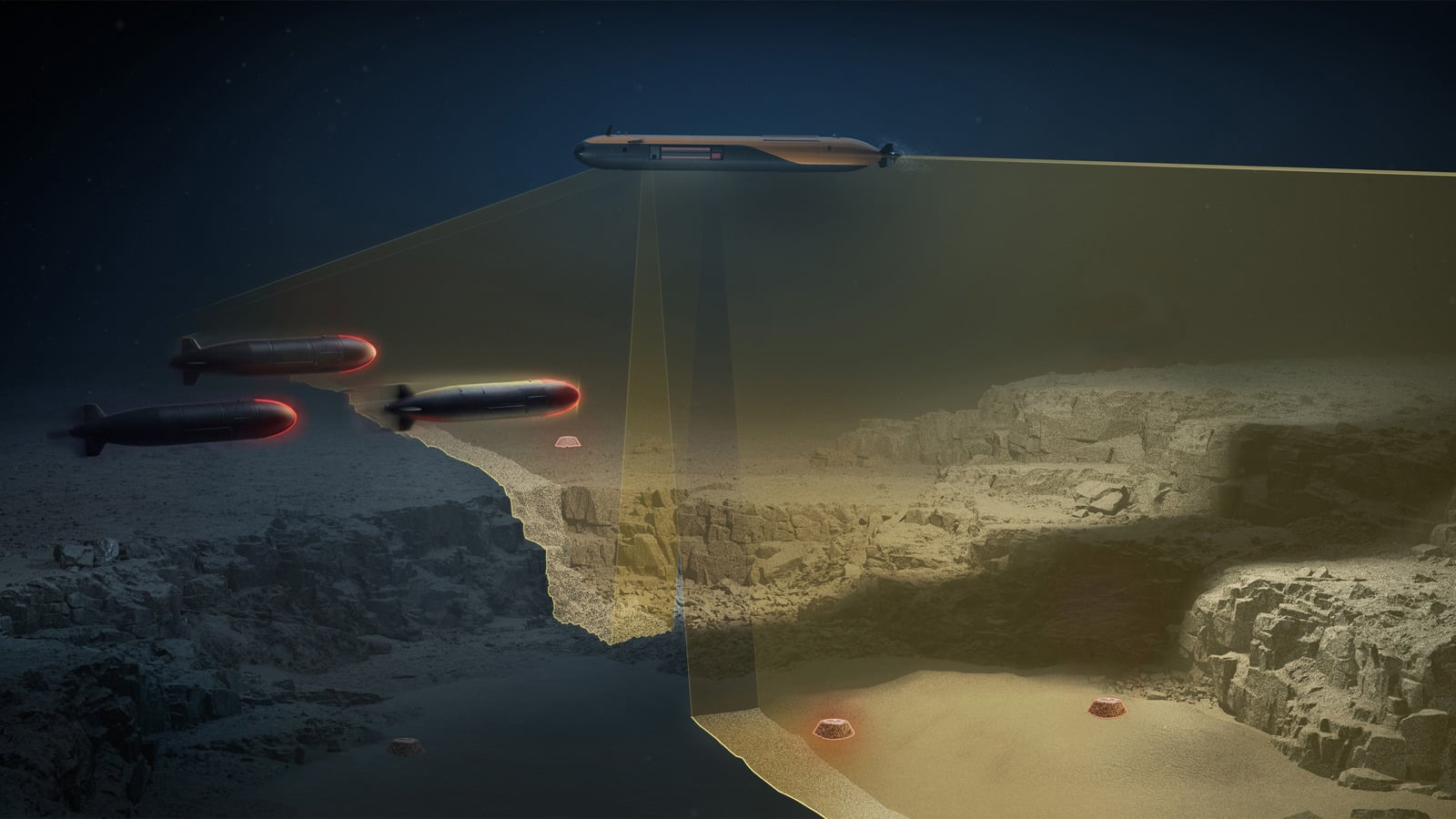
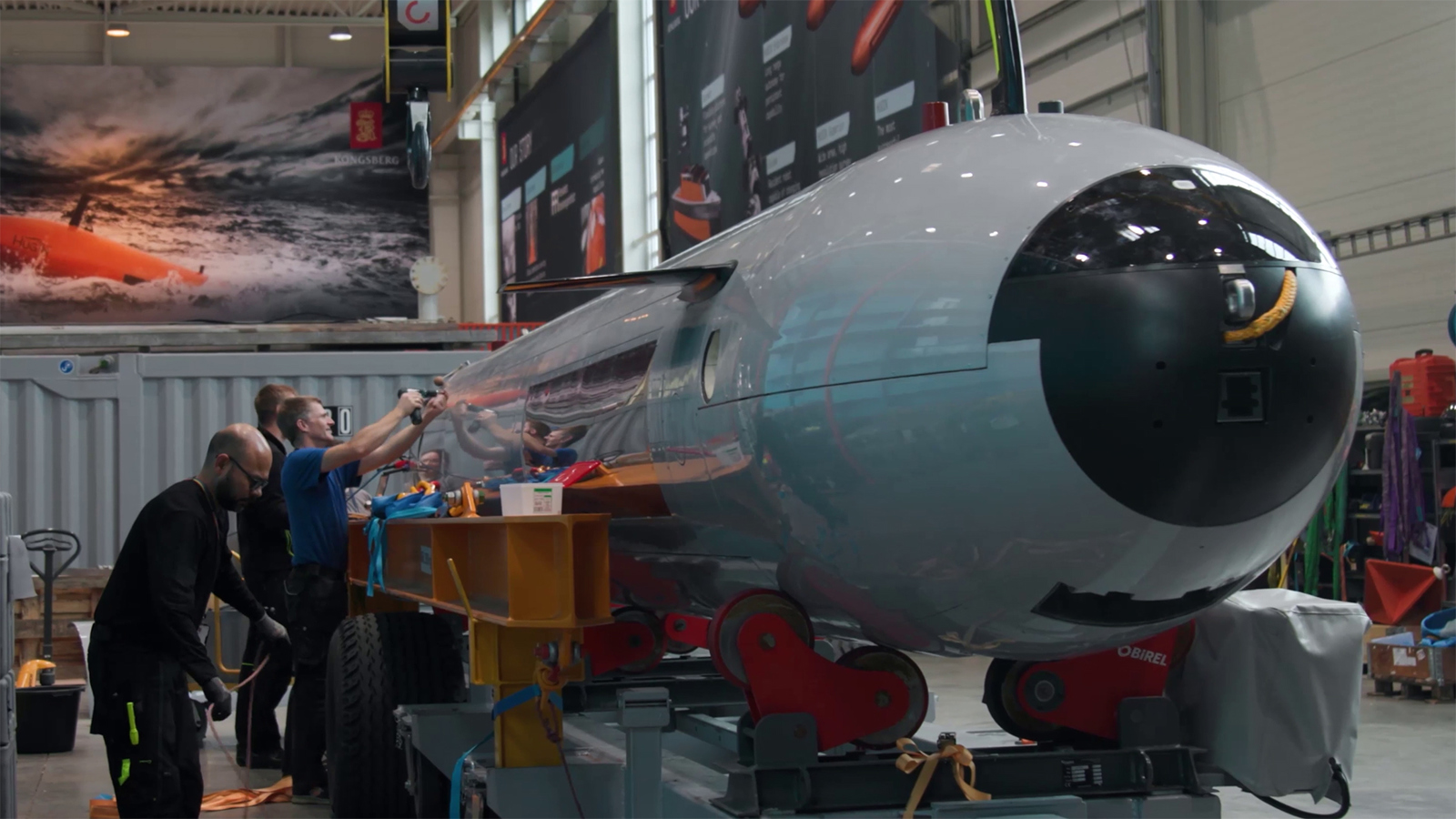
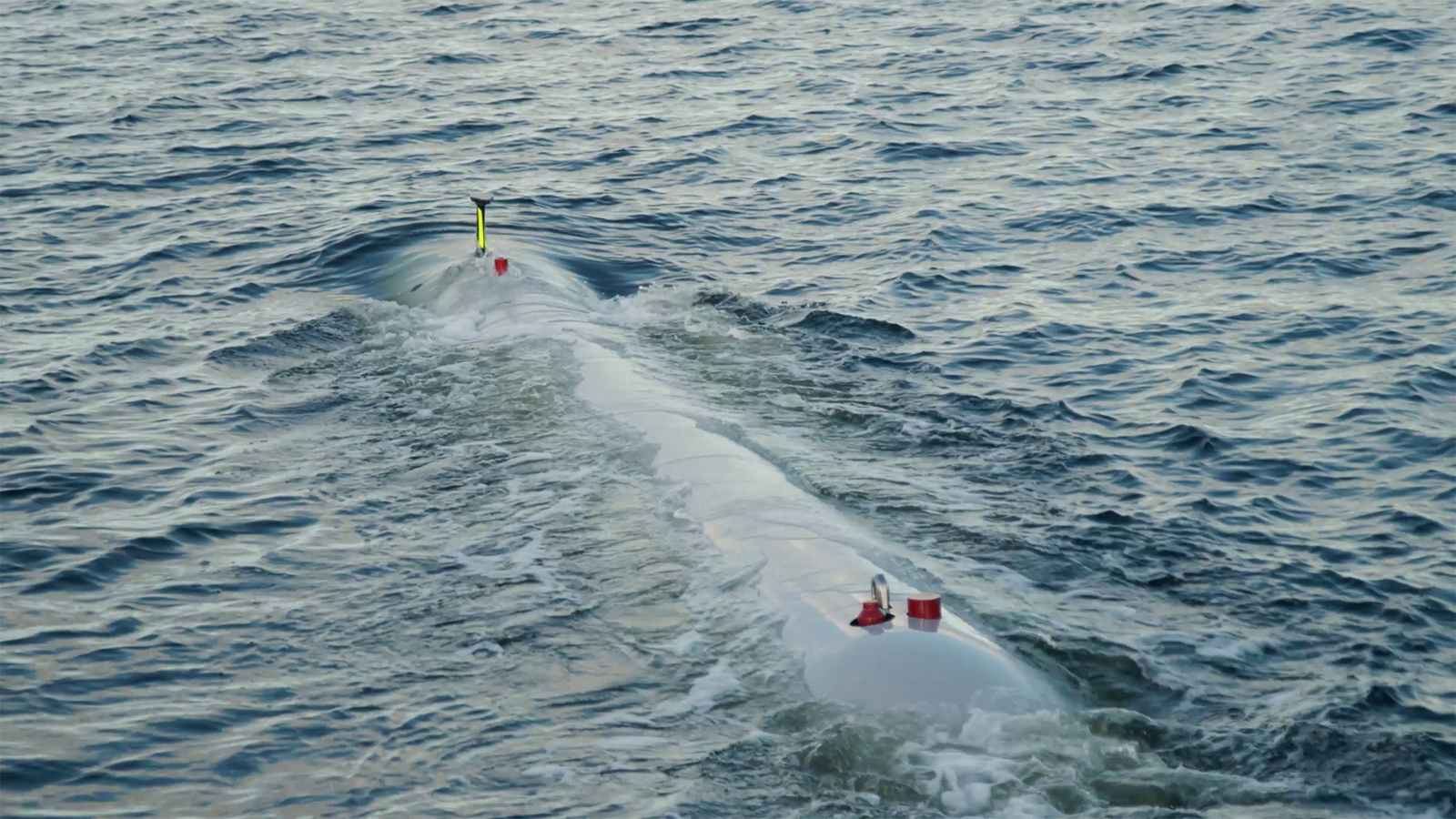
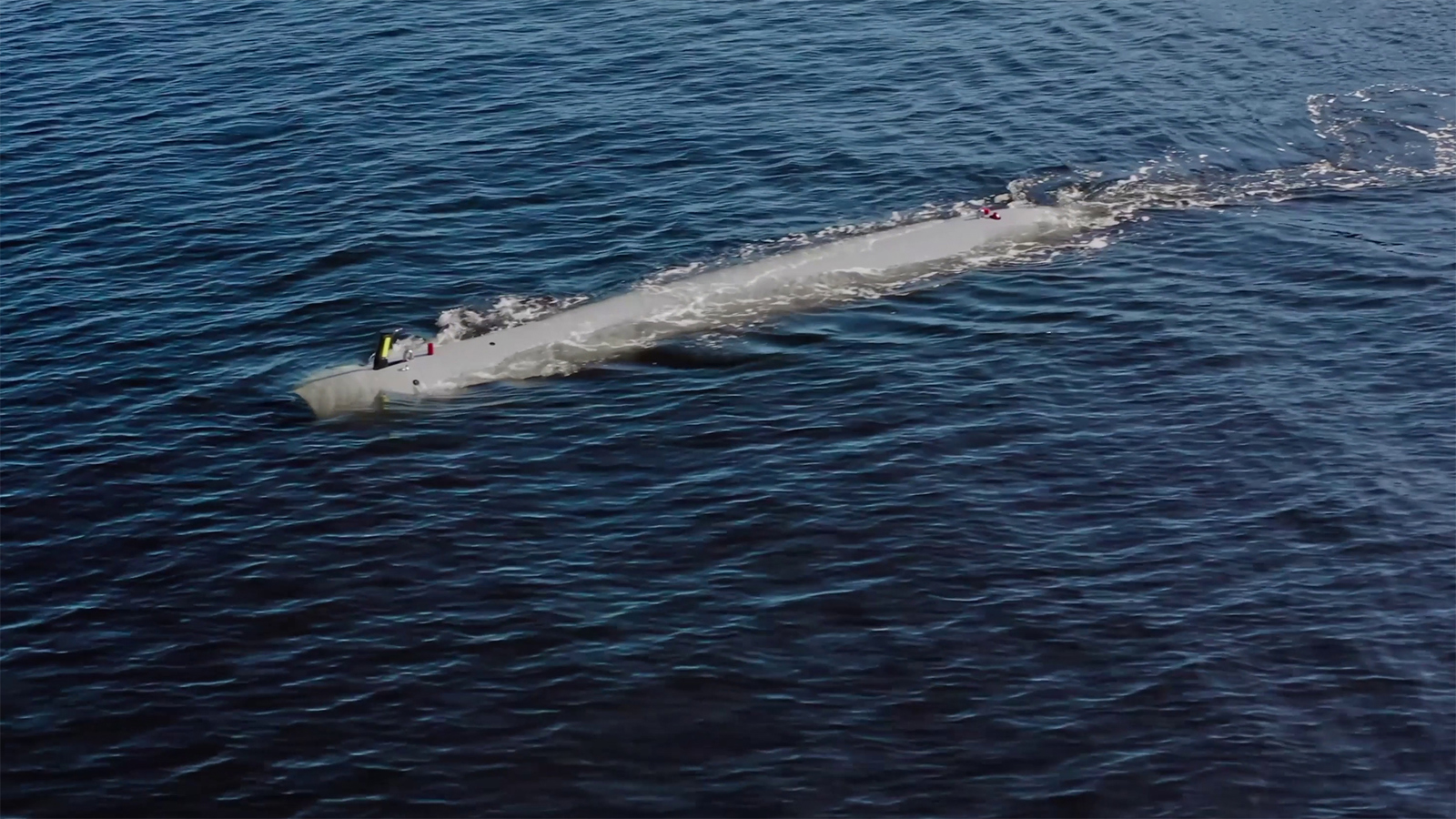
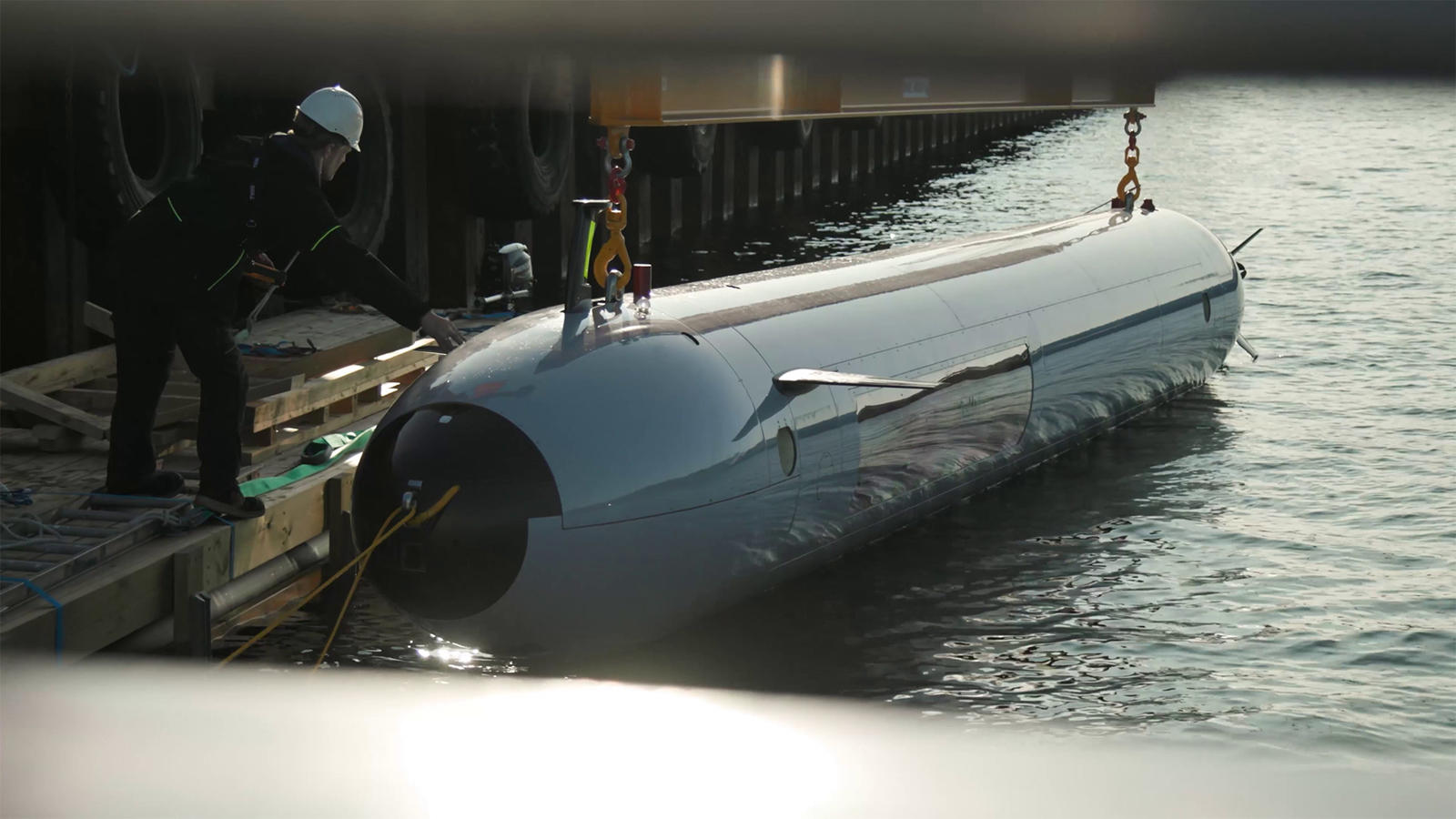
Long-endurance AUVs can survey large areas, collect intelligence and execute complex missions with limited reliance on surface-vessel support. KONGSBERG's HUGIN Endurance, for example, is designed for long-range, multi-day operations and can support missions including intelligence, surveillance and reconnaissance and wide-area seabed mapping.

This type of capability opens new possibilities for defense operators in areas where persistent monitoring would otherwise be difficult, costly or operationally challenging.

Autonomous underwater vehicles can support missions including:

  • Intelligence, surveillance and reconnaissance (ISR)
  • Intelligence preparation of the operational environment (IPOE)
  • Mine countermeasures (MCM)
  • Seabed warfare operations
  • Monitoring and protection of critical maritime infrastructure

Building trust in autonomous operations

While advances in artificial intelligence, navigation and onboard processing continue to expand the capabilities of autonomous systems, operational trust remains a key factor in adoption.

It takes decades to develop the technology to do this reliably and to have complex missions that these undersea systems need to be doing.

Rich Patterson, Vice President Sales Uncrewed Platforms, KONGSBERG

Defense operators need systems that can perform reliably in challenging environments and execute increasingly complex missions with minimal intervention. Achieving that level of trust requires more than new software or sensors. It depends on years of operational experience, validation and continuous technological development.

As Rich Patterson, Vice President of Sales for Unmanned Platforms, explains:

“It takes decades to develop the technology to do this reliably and to have complex missions that these undersea systems need to be doing. KONGSBERG has been working in this field for 30 years and I think the systems are very robust and very trustworthy in terms of their autonomy.”

For Patterson, however, technological maturity is only part of the equation:

“But I would say the biggest piece is getting the human operators to trust the technology to do the job. I think that’s happening more and more.”

As autonomous systems become increasingly integrated into military operations, this combination of proven technology and operator confidence will be critical to successful deployment.

Supporting the hybrid fleet

Many navies are exploring how manned and unmanned platforms can work together as integrated forces. The US Navy, for example, is pursuing a hybrid fleet combining manned and unmanned systems, an approach discussed by Patterson in the original Proceedings article.

In this emerging model, autonomous systems can complement traditional assets by extending reach, increasing persistence and providing additional layers of intelligence.

Rather than replacing crewed platforms, autonomous underwater vehicles can help operators access information from difficult-to-monitor areas while allowing other assets to focus elsewhere.

The challenge is therefore moving beyond proving that autonomous technology works. Increasingly, the focus is on how autonomous capabilities can be integrated effectively into broader operational concepts and deployed at scale.

Proven capability for complex missions

For more than 30 years, KONGSBERG's HUGIN autonomous underwater vehicles have supported demanding underwater missions around the world.

Today, the HUGIN family supports a wide range of defense-related applications, including mine countermeasures, seabed mapping, infrastructure inspection, ISR missions and environmental intelligence gathering.

Systems such as HUGIN Endurance combine long mission duration, advanced autonomy and flexible payload configurations, enabling operators to adapt capabilities to evolving mission requirements.

As defense organisations seek greater operational reach and improved situational understanding in the undersea domain, autonomous underwater vehicles are expected to play an increasingly important role.

Looking ahead

The future of undersea operations will be shaped not only by traditional platforms, but by the ability to understand, monitor and operate effectively within the underwater environment.

Autonomous systems are already providing defense operators with new ways of addressing these challenges. And as the technology continues to mature, endurance, autonomy, accurate navigation and high-quality intelligence will become increasingly important elements of modern maritime defense capability.

The HUGIN family

Learn more about our range of autonomous underwater vehicles

Own the deep

For over 30 years, HUGIN autonomous underwater vehicles have provided navies and defense organisations with trusted, mission-proven undersea intelligence.