Kongsberg Maritime
From the classroom to the open sea - your career, your adventure
Life as a Field Service Engineer
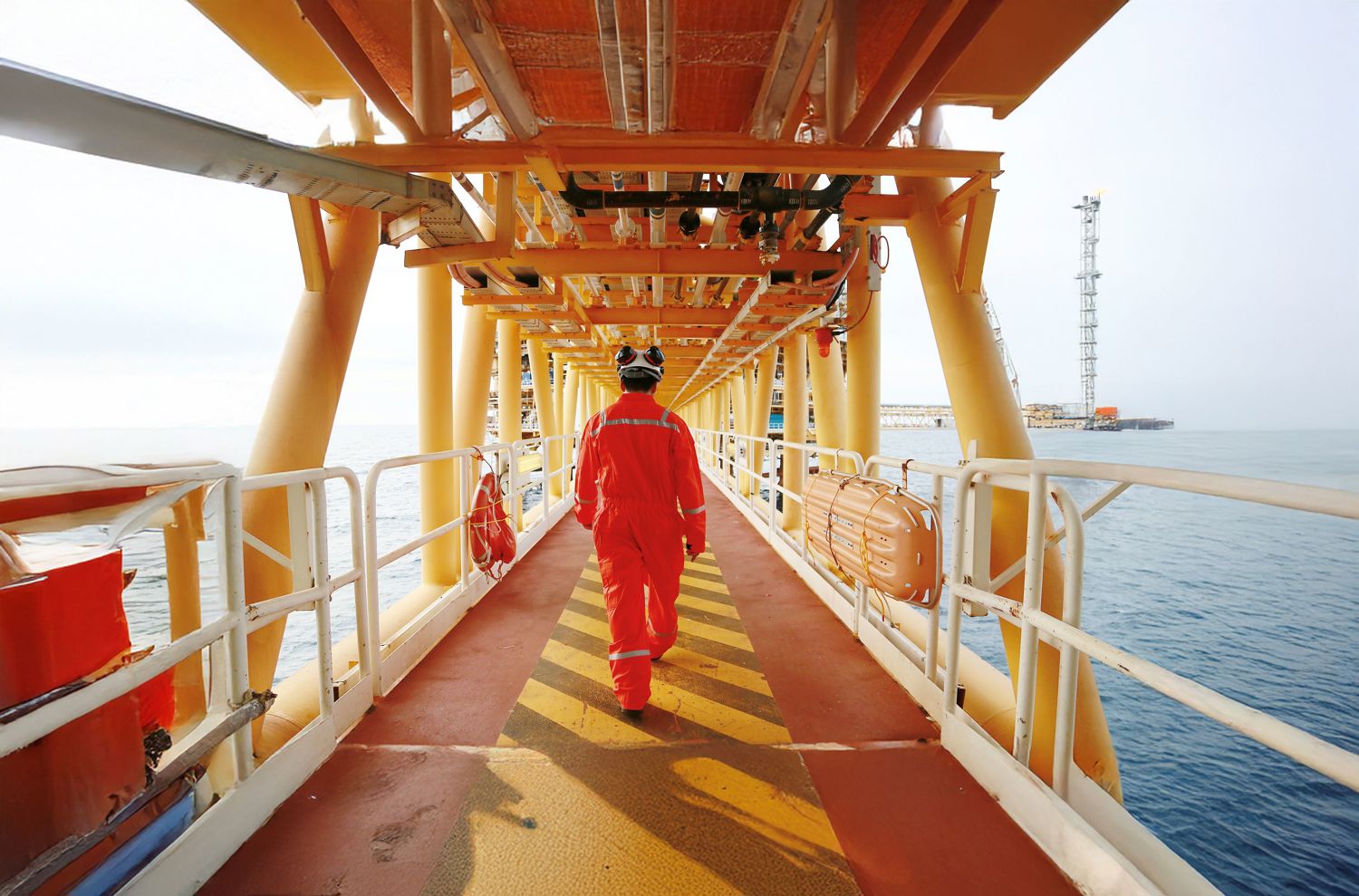
Imagine if what you learn in the classroom could take you across oceans, onto ships, and into real-world problem-solving? That’s the life of a field service engineer. Trygg Meyer Johannessen, shares his experience working as a field service engineer: “In short, I get to be a tech-savvy adventurer. I travel to vessels and offshore installations to install, maintain, and troubleshoot KONGSBERG systems. It’s high-stakes problem-solving—with an ocean view. One day I’m elbow-deep in cables; the next, I’m explaining a system to a ship’s captain over coffee. It’s a hands-on role that blends technical expertise with strong people skills, especially when working with international crews. There’s never a dull moment!”
Your journey begins with an onboarding program designed to prepare you for life in the field. “As a field service engineer, you will typically spend the first six months in a training program,” explains Martin Nilsen, Global Operations Manager. “You’ll receive technical courses and hands-on experience with a mentor, building systems from scratch in a safe environment. This builds both your confidence and your competence before heading out on your own.”
From student to engineer
The transition from studying to working can be challenging, but many engineers find it more intuitive than expected.
A Hyun Jeong, an assistant field engineer from Gohyeon, Korea, reflects: “As a student, my schedule was fixed and focused on theory. As a professional, I have to manage my own time and apply my knowledge in real situations. It was tough at first, as I sometimes get too focused on one aspect and lose sight of the bigger picture. But when I take a step back and seek advice and guidance from my colleagues, I feel reassured and gain valuable insights from these experiences.”
Konrad Beśka, an engineer from Szczecin, shares a similar experience: “My transition into the company was smooth. I started with three other recent graduates, and we quickly connected. As we adapted, we formed new relationships, developed individual expertise, and found our own rhythms. It’s rewarding to look back and see how far we have come”.
No two days are alike
For field service engineers, routine is the exception, not the rule. One day might start in an airport and end on a vessel off the coast of South America. Another could involve troubleshooting a complex system in China or leading a retrofit project in the North Sea.
This constant variety is what draws many to the role. “No two jobs are the same, and that keeps things interesting,” says Hedda Furuvald Johannesen. “I love traveling and the variety of challenges I face. But the toughest part is the unpredictability—a quick three-day job can unexpectedly turn into three weeks. This isn’t just a job; it’s a full-on lifestyle.”
As you gain experience, you’ll take on more responsibility. It’s a role that demands confidence, adaptability, and technical excellence—but it also offers the opportunity to lead, grow, and make a real impact. Hedda explains what that responsibility looks like: “Often, we’re the lead engineers on-site, managing installation teams and overseeing critical systems. It’s a role with a lot of responsibility, especially since the department I work in deliver automation systems that are essential to the safe operation of the vessel and the well-being of the crew.”
There’s no single path to becoming a great field service engineer, but certain technical backgrounds provide a strong foundation. Bulent Yıldız, Operations Manager, outlines the diversity of roles:
“We look for electrical engineers for switchboards, mechatronics engineers for hybrid systems involving hydraulics and control, and mechanical engineers for more hands-on work. The need varies, but each skillset is critical.
”Yet technical skills are only part of the equation. “The life of a field engineer isn’t for everyone,” explains Martin Nilsen. “It takes a particular mindset—open, flexible, and adaptable to change. We can train competence, but your mindset, your actions—that’s what we look for when we hire.”
And for those who thrive. The rewards are immense. “Looking back, the six years I spent as a Field Engineer were the most exciting and fulfilling of my career,” Nilsen adds. “Field Engineers is usually the first step on the career ladder in Kongsberg Maritime. The field engineer departments are considered farmer clubs for the rest of the organization. If you succeed as a Field Service Engineer, the opportunities within Kongsberg Maritime are endless. Field Engineers holds valuable experience that fits withing Engineering, Project Management, Sales, Technology, Technical Advisory and management positions.”
Your future starts here
Both Trygg and Hedda enthusiastically recommend the field service engineer role to anyone seeking a dynamic, hands-on career with real growth potential.
“If you enjoy solving puzzles, don’t mind getting your hands dirty, and like the idea of traveling while learning, this is a fantastic way to start,” says Trygg Meyer Johannessen. “You grow fast—both technically and personally—and the experience opens a lot of doors. Plus, the stories you collect along the way are pretty great.”
Hedda Furuvald Johannesen agrees, emphasizing the long-term value of the role: “What excites me most is how this position can lead in so many directions—from specializing in cutting-edge automation systems to stepping into advanced engineering or project management. You gain real-world experience with complex technical challenges. It’s the perfect launchpad for anyone looking to grow into senior or specialized roles in maritime technology.” With offices in 32 countries and opportunities spanning the globe, your next adventure could begin here. Explore our openings and find your place at Kongsberg Maritime