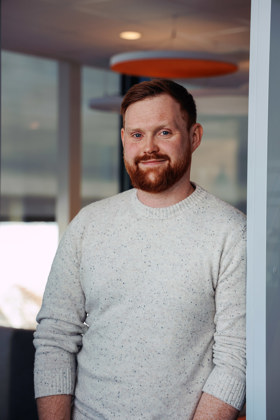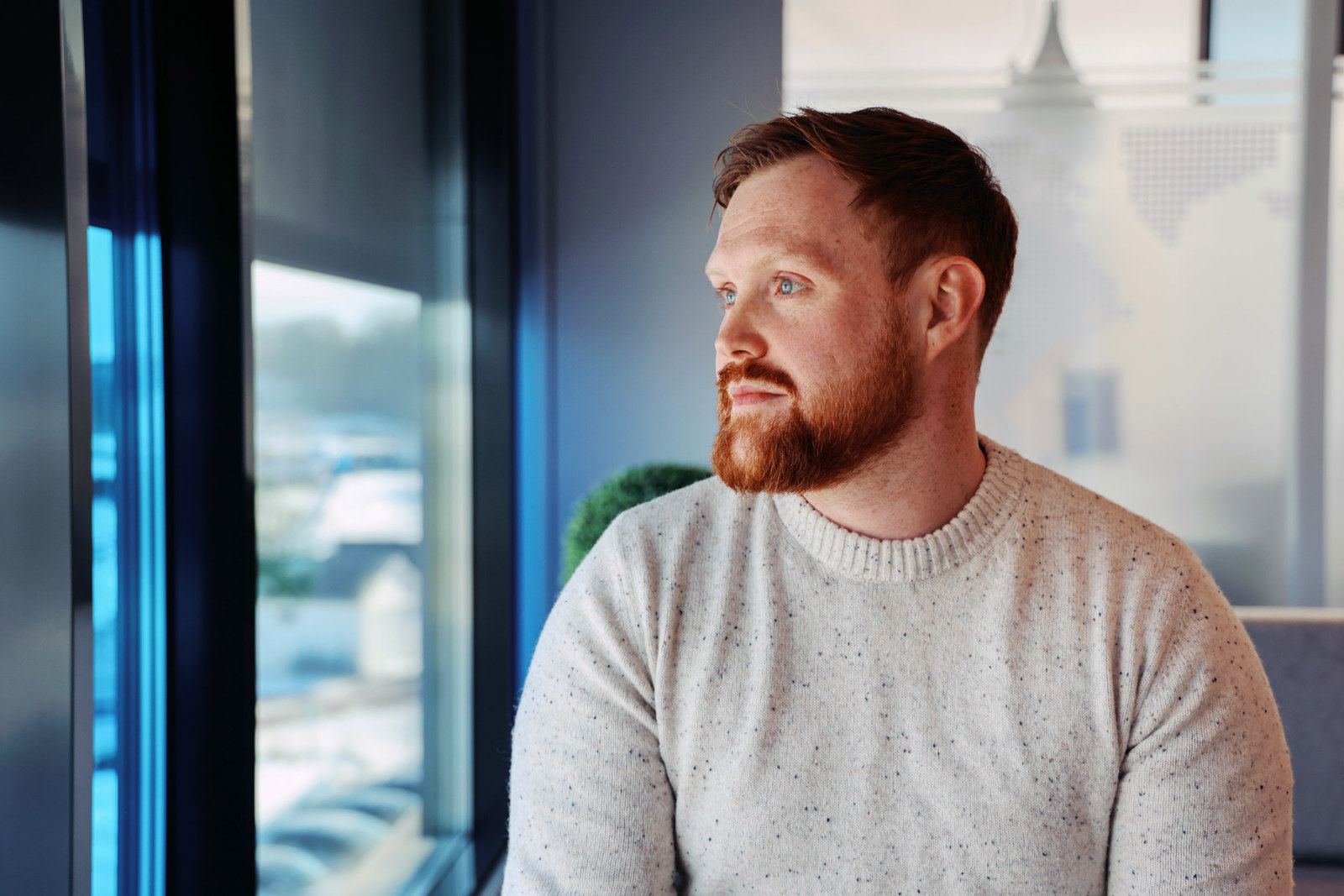
Meet Amund

From Kitchen-Table Circuits to Advanced Underwater Technology

“My father worked with electronics, so I’ve been interested in it since I was quite young. I remember having a kit where I could build electrical circuits and alarms. I thought it was very cool,” he says.

Growing up in Feiring laid the foundation for what would become more than just a hobby. Eventually, the path led to Trondheim and five years of studying Cybernetics at NTNU. He initially considered both electronics and electronic system design but ultimately chose cybernetics.

“It sounded cool,” he says with a smile. “In the third year, you choose your area of specialization, and I chose embedded systems. That’s when I really realized this was what I wanted to do.”

Learning Electronics Through Practice

Much of the practical understanding came outside the lecture halls. Through the student project Revolve, Amund took responsibility for electronics—first for a single system and later as head of the entire electronics group.

“The more I worked with electronics, the more engaged I became. I developed many circuit boards, troubleshot issues, and followed the systems through an entire season. Electronics is very experience-based. You need the fundamental understanding, but you learn an enormous amount by actually building and testing,” he explains.

It was also during his studies that he first became familiar with KONGSBERG. In 2019, his team placed second in the student competition Your Extreme.

“We were four people working intensely during the hours the competition lasted. We developed a concept for an algae farm to supply coastal cities with food. It was a great team experience, and I also got a good impression of the company,” he says.

The Next Generation of HISAS

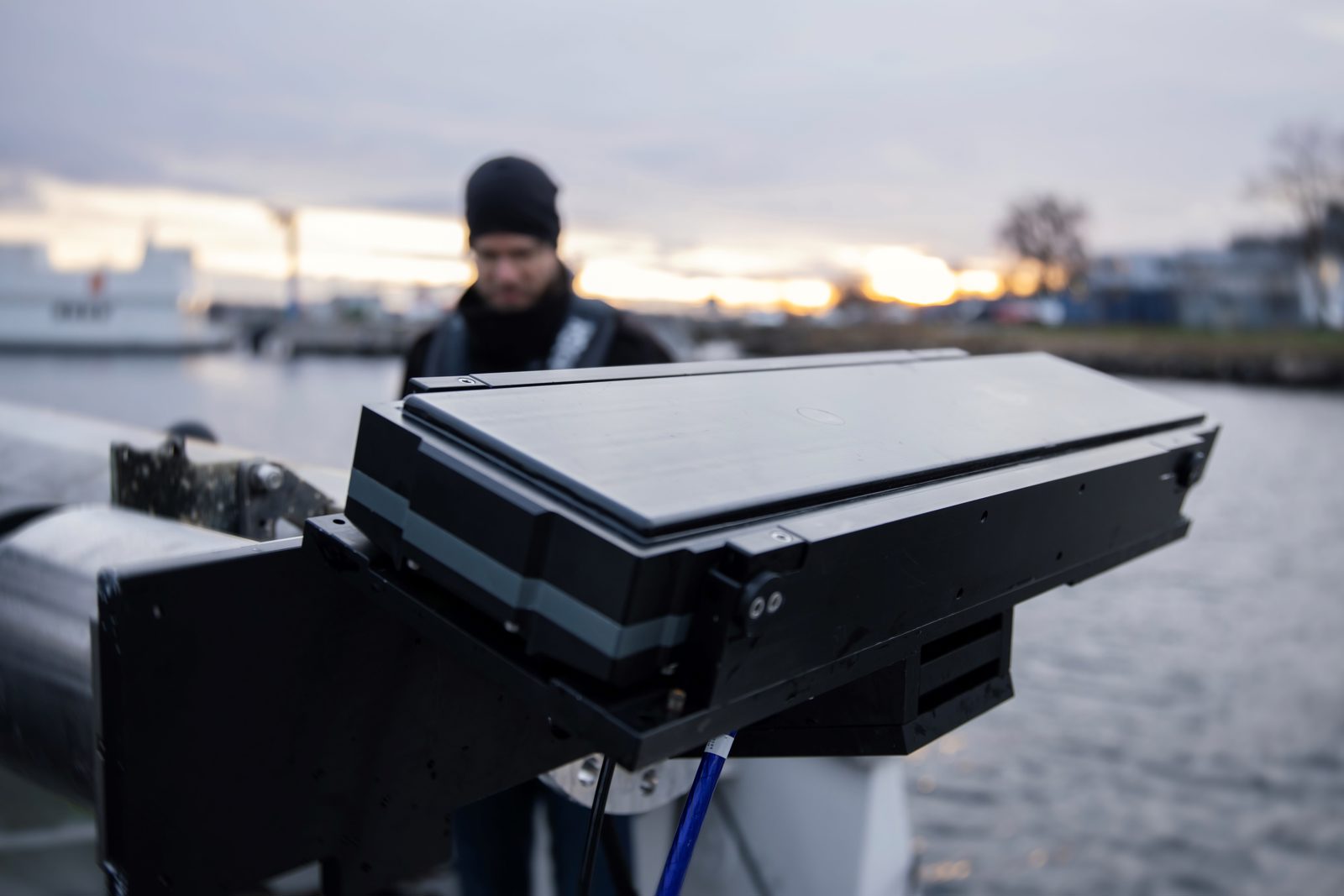
Today, Amund works at Kongsberg Discovery on the further development of HISAS—a high-resolution synthetic aperture sonar that produces detailed images of the seabed.

“The concept is that we take many images in sequence and stitch them together, as if we had a much larger sensor. The result is extremely clear underwater images,” he explains.

The technology is used, among other things, for inspection of oil pipelines and for searching for objects at great depths. Previous versions of HISAS have been used to map shipwrecks in the Oslofjord and to search for dumped ammunition in Lake Mjøsa.

The latest version, HISAS 2020, represents a significant redevelopment.

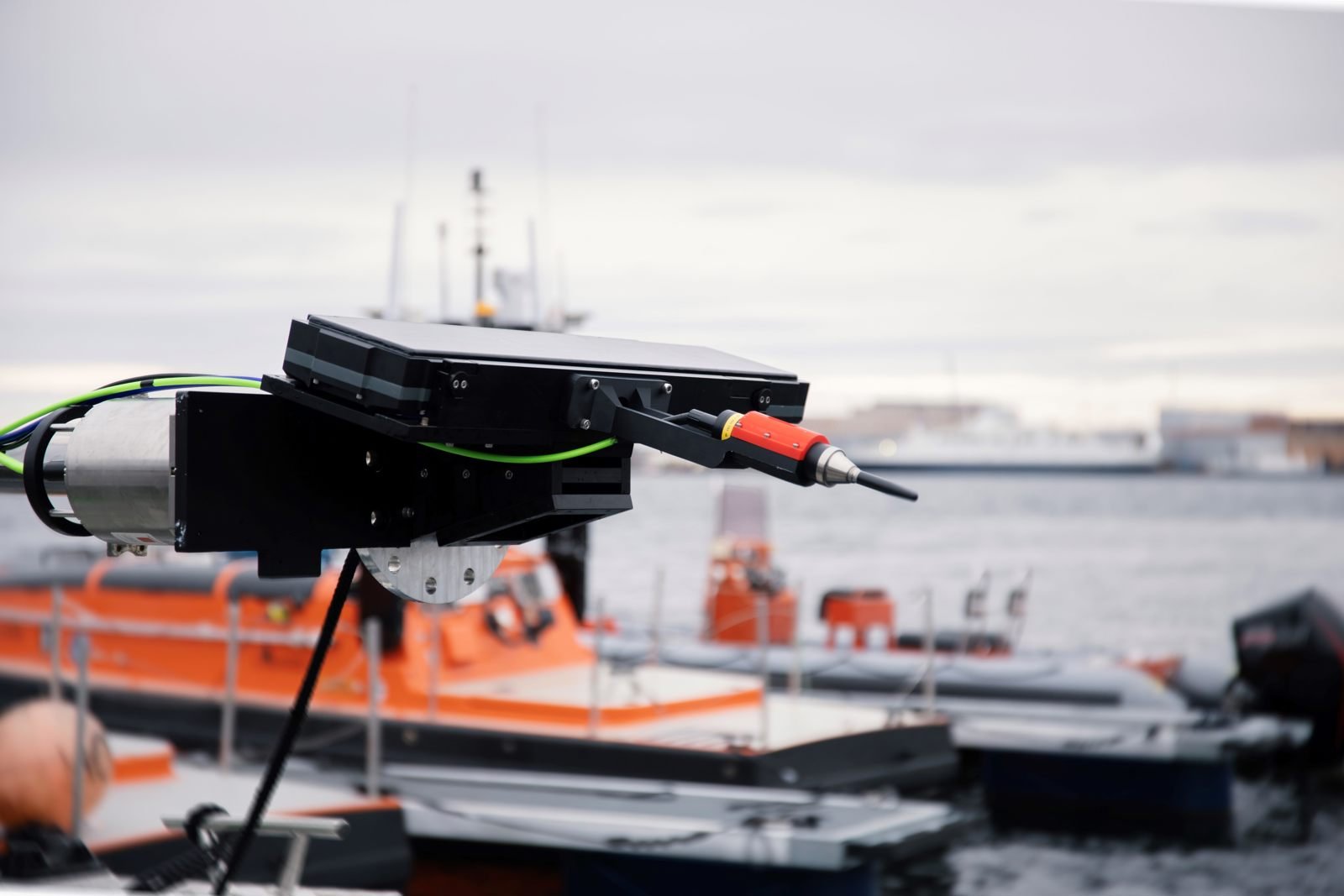
“All of the electronics are new. Previously, the system could consist of several smaller units. Now everything is integrated into a single, more ‘plug-and-play’ module. It can be mounted on various autonomous underwater vehicles—not just Hugin—and offers higher resolution and greater flexibility,” he says.
Dense Electronics and Extreme Requirements

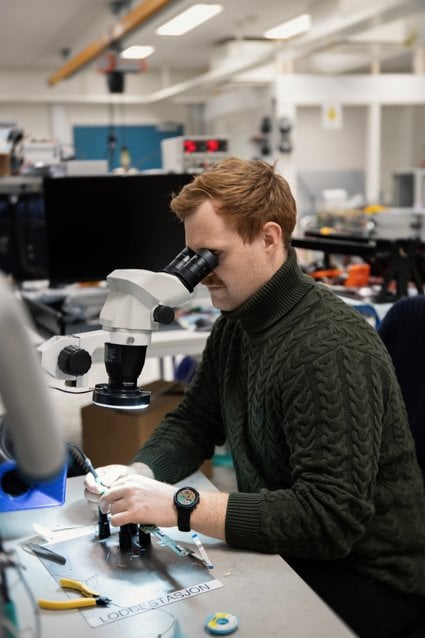
Amund has been responsible for the layout of most of the circuit boards in HISAS 2020. His work spans from analog front-end and low-noise design to digital electronics with FPGA and memory management.

“It’s both analog and digital, and very tightly integrated. We’re working with sensitive receivers and high power in the transmitter stage, while space is limited and noise requirements are strict,” he explains.

The system is designed to operate deep underwater and must withstand both pressure and temperature variations.

“We conduct environmental testing with pressure and temperature cycles. That limits component choices and makes the design work more demanding. You have to be solution-oriented and test extensively to find what actually works,” he says.

Photo: Ludvig Juvodden  

HISAS 2020 must also coexist with a wide range of other sensors on an autonomous underwater vehicle.

“If we can ‘hear’ our own product, we can’t hear what we’re looking for. And we must not interfere with other sensors, acoustically or electromagnetically. A lot is happening simultaneously on a platform like Hugin, which makes it especially challenging,” he elaborates.

The workday combines design tasks with laboratory testing, and the most satisfying moments come when the circuit boards he has designed are placed on the test bench and perform as intended.

“Or when they don’t—and you have to figure out why. That process teaches you an incredible amount,” he says.

Following the launch of HISAS 2020, he is looking ahead to the next milestones: full integration, environmental testing, and sea trials.

It will be exciting to see the entire system encapsulated, tested, and used as intended. When everything comes together—the electronics, acoustics, and mechanics—you really see the value of the work.

A Professional Environment That Helps You Grow

Amund highlights the professional environment at Kongsberg Discovery as one of the company’s greatest strengths—and one that has been crucial for both his own development and the success of the project.

“I think the professional environment here is exceptional. We collaborate across departments and projects, and we have experts in areas like transformers and transmitters that you learn an enormous amount from,” he says. “We also collaborate across disciplines. You can be an electronics engineer and still work with FPGA or software. That blurs boundaries and improves collaboration.”

The culture is also characterized by openness across generations.

“Younger employees challenge established truths—both in what we do and how we work. That’s important. What has worked for 30 years isn’t necessarily the best approach today,” he says.

Amund also appreciates the opportunity to shape his own career path.

“Here, the role is shaped around the person—not the other way around,” he concludes.

From building simple circuits at the kitchen table in Feiring to developing advanced underwater technology, Amund is still driven by the same motivation: to build technology that performs in practice.

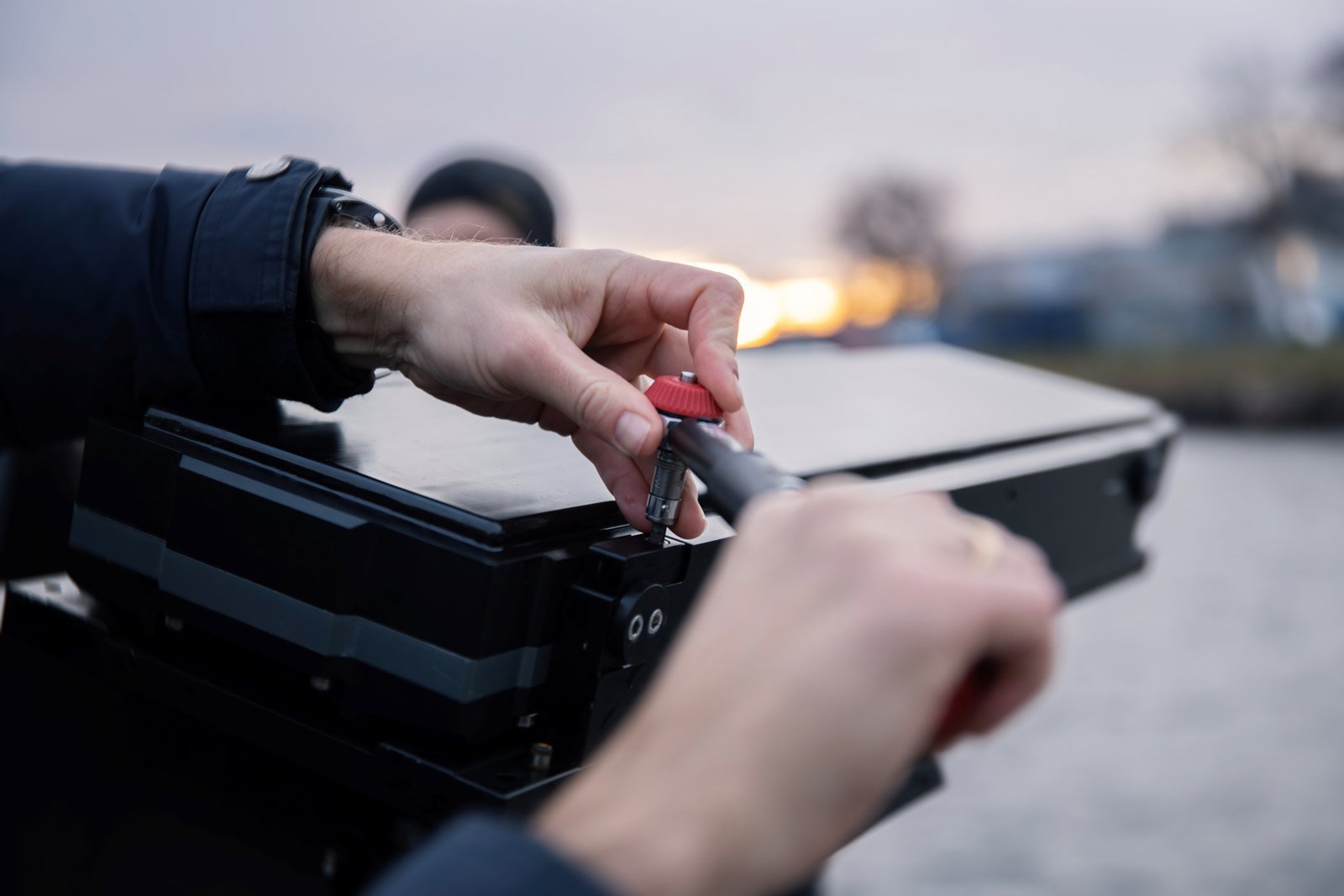
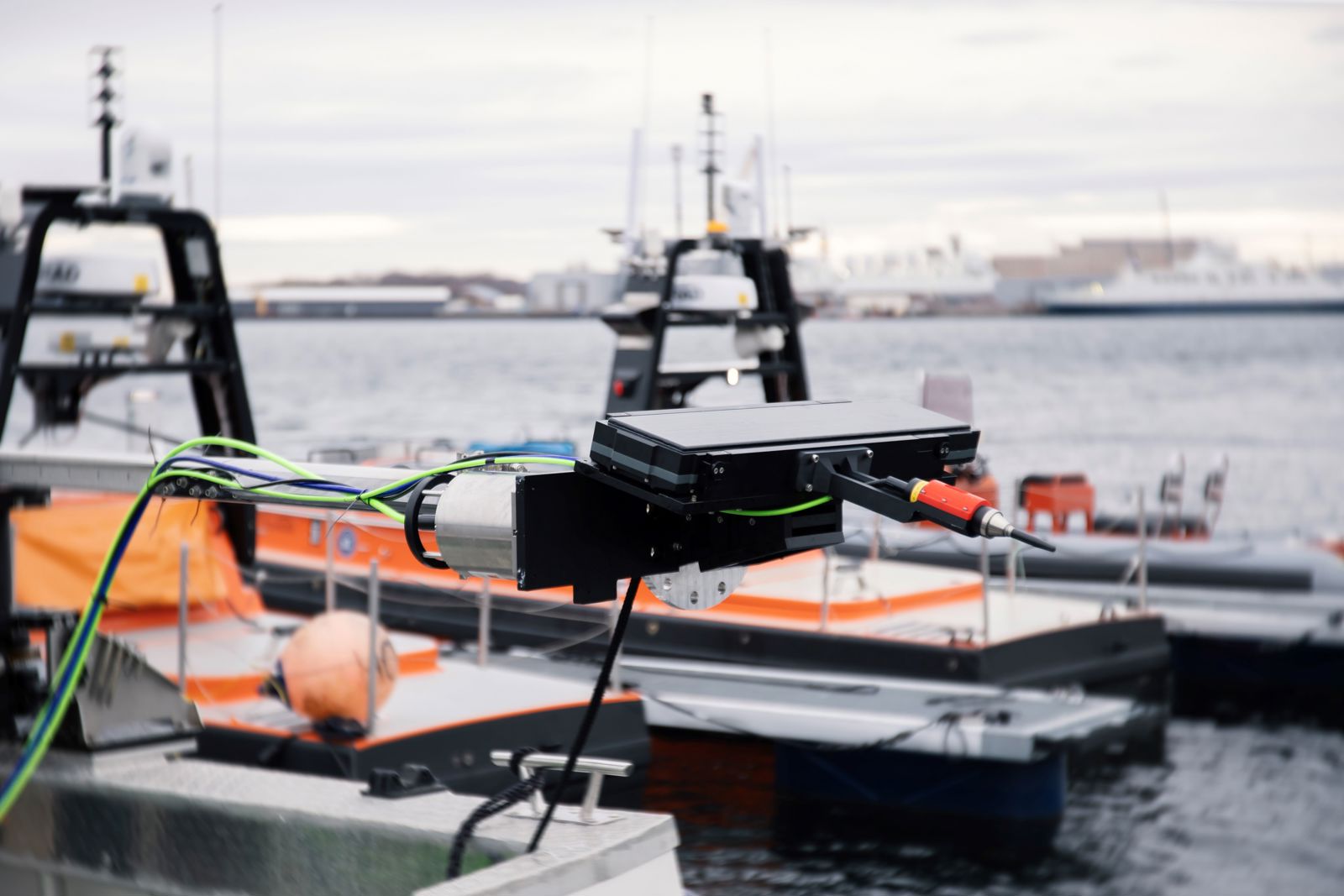
Sea trial of HISAS 2020

Foto: Ludvig Juvodden