In the icy waters of Hornsundfjord, Svalbard

Just 1.5 kilometers from the towering face of Hans Glacier

A bold acoustic experiment has shed new light on how Arctic glaciers are changing beneath the surface.
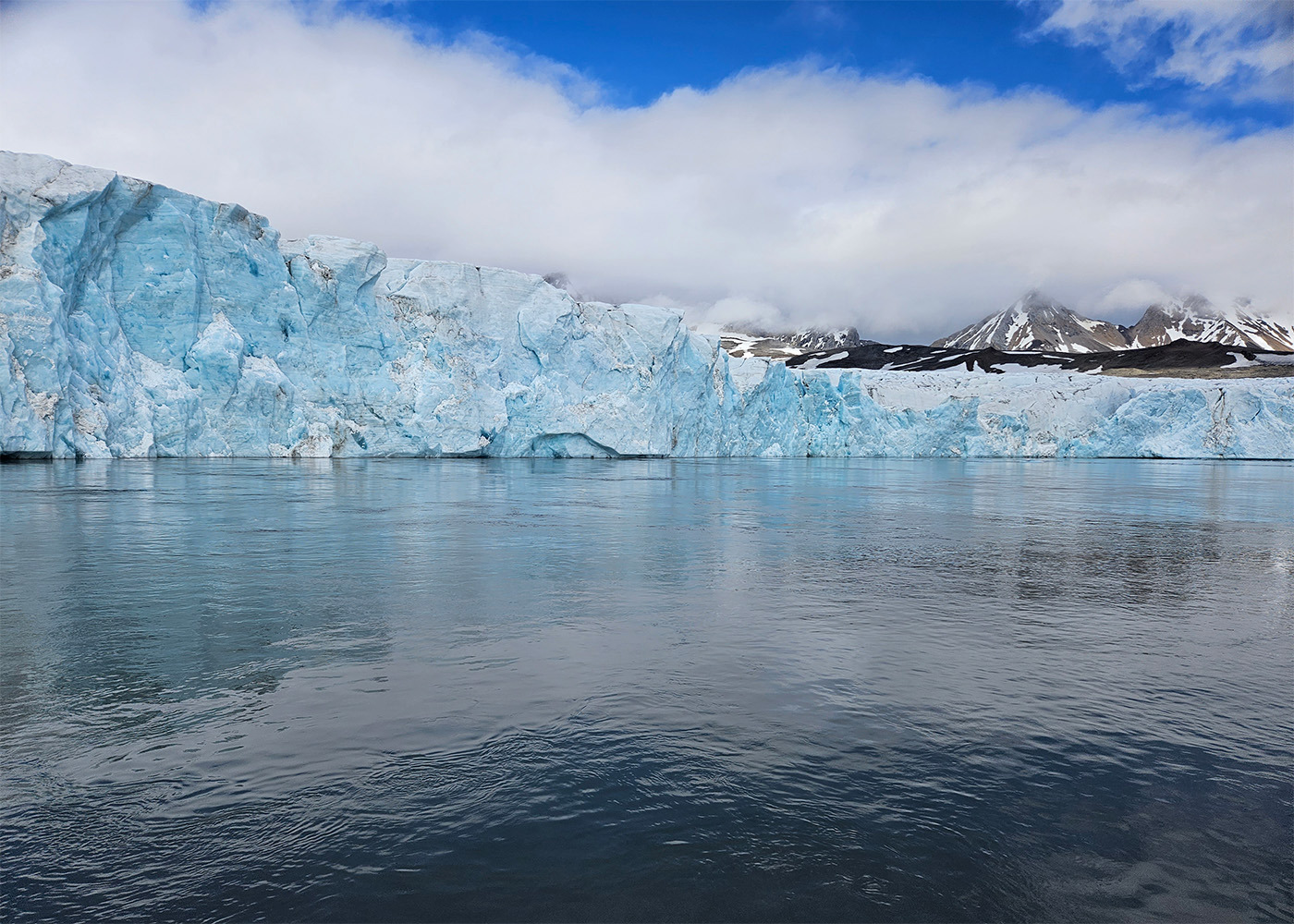
The Hans glacier at Svalbard seen from the sea

Far above the Arctic Circle, in the remote Hornsund fjord of Svalbard, the icy silence hides a powerful story. 

Just 1.5 kilometers from the towering face of Hans Glacier, a team of scientists set out to answer a question that has long challenged climate researchers:

What happens beneath the surface of a melting glacier?

Getting close enough to find out is nearly impossible.

Tidewater glaciers, those that meet the ocean, are unpredictable and dangerous.

Their dramatic calving events, where massive ice chunks break away and crash into the sea, make direct observation a high-risk endeavor.

Yet understanding the submerged ice face is critical for predicting sea level rise and modeling climate change.

That’s where sound comes in.

Led by Professor Elizabeth Weidner of the University of Connecticut, the research team turned to acoustic technology for a breakthrough. Using the KONGSBERG EK80 broadband echo sounder system, they sent sound waves toward the glacier from a safe distance and analyzed the echoes that returned. By sweeping the sonar across different angles and frequencies, they were able to map the underwater ice wall and determine its shape and physical properties.
 
One of the key innovations in the study was the use of split-aperture processing, a technique that allowed the team to pinpoint the exact position and tilt of the glacier’s submerged face. This level of detail is crucial for understanding how glaciers melt, how icebergs form, and how ocean water interacts with glacial ice – all of which are vital pieces of the climate change puzzle.

“The underwater part of a glacier is really hard to study because it’s dangerous and constantly changing,” said Professor Weidner. “Using sound waves, we were able to safely collect detailed data without getting too close. This helped us figure out the shape and angle of the ice below the surface, which is important for understanding how glaciers melt and break apart.”
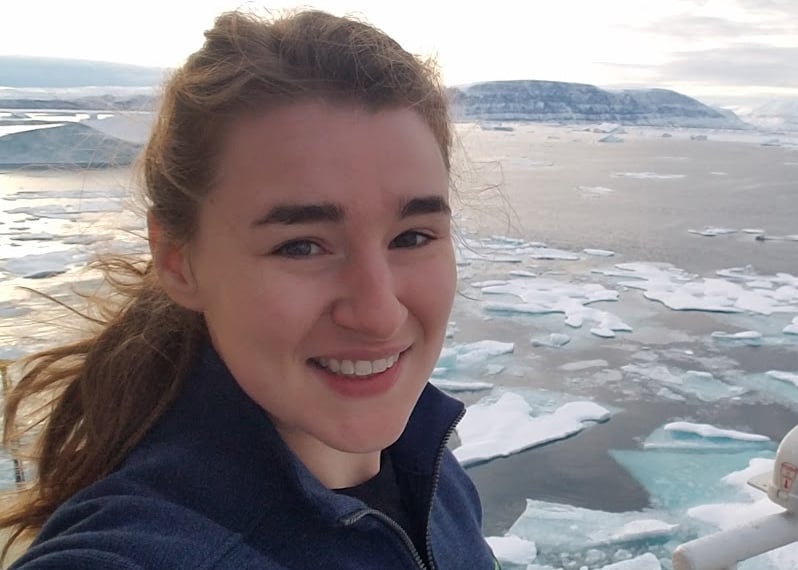
Portrait photo of Elizabeth Weidner

Using sound waves, we were able to safely collect detailed data without getting too close.

Elizabeth Weidner, Professor, University of Connecticut

Why does this matter?

As the Arctic warms, glaciers are retreating at unprecedented rates. What happens below the surface determines how fast they melt, and how quickly global sea levels rise. By listening to glaciers, scientists can build better climate models and improve predictions that affect communities worldwide.

This research is more than a scientific milestone. It’s a demonstration of how advanced sonar technology can unlock secrets in the harshest environments, paving the way for safer, smarter monitoring of Earth’s most fragile ecosystems.

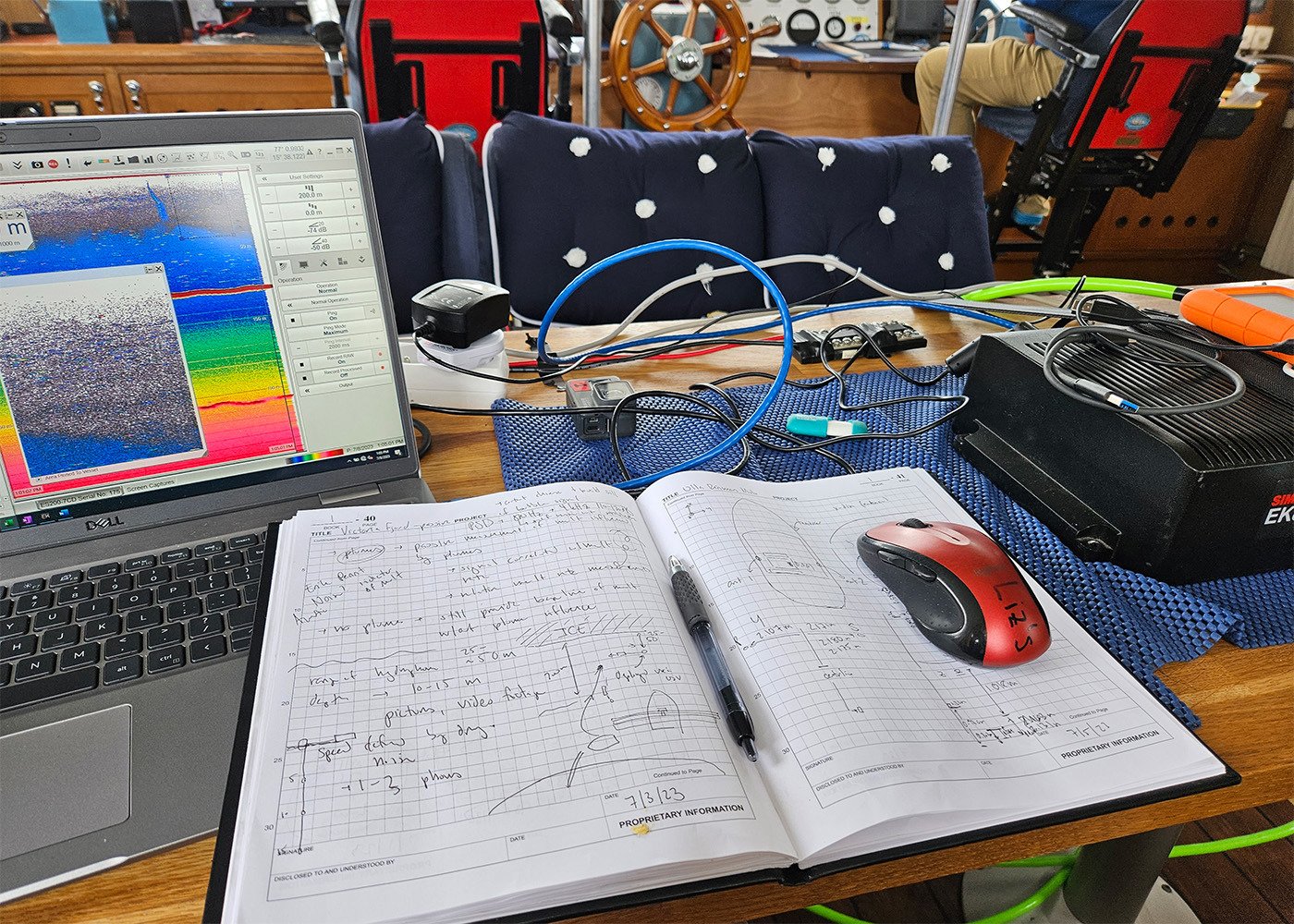
Notes and computer onboard a research vessel

The EK80 in action - turning echoes into insights about the Arctic ice
Portrait photo of Elizabeth Weidner

Professor Elizabeth Weidner from the University of Connecticut
The Hans glacier at Svalbard seen from the sea

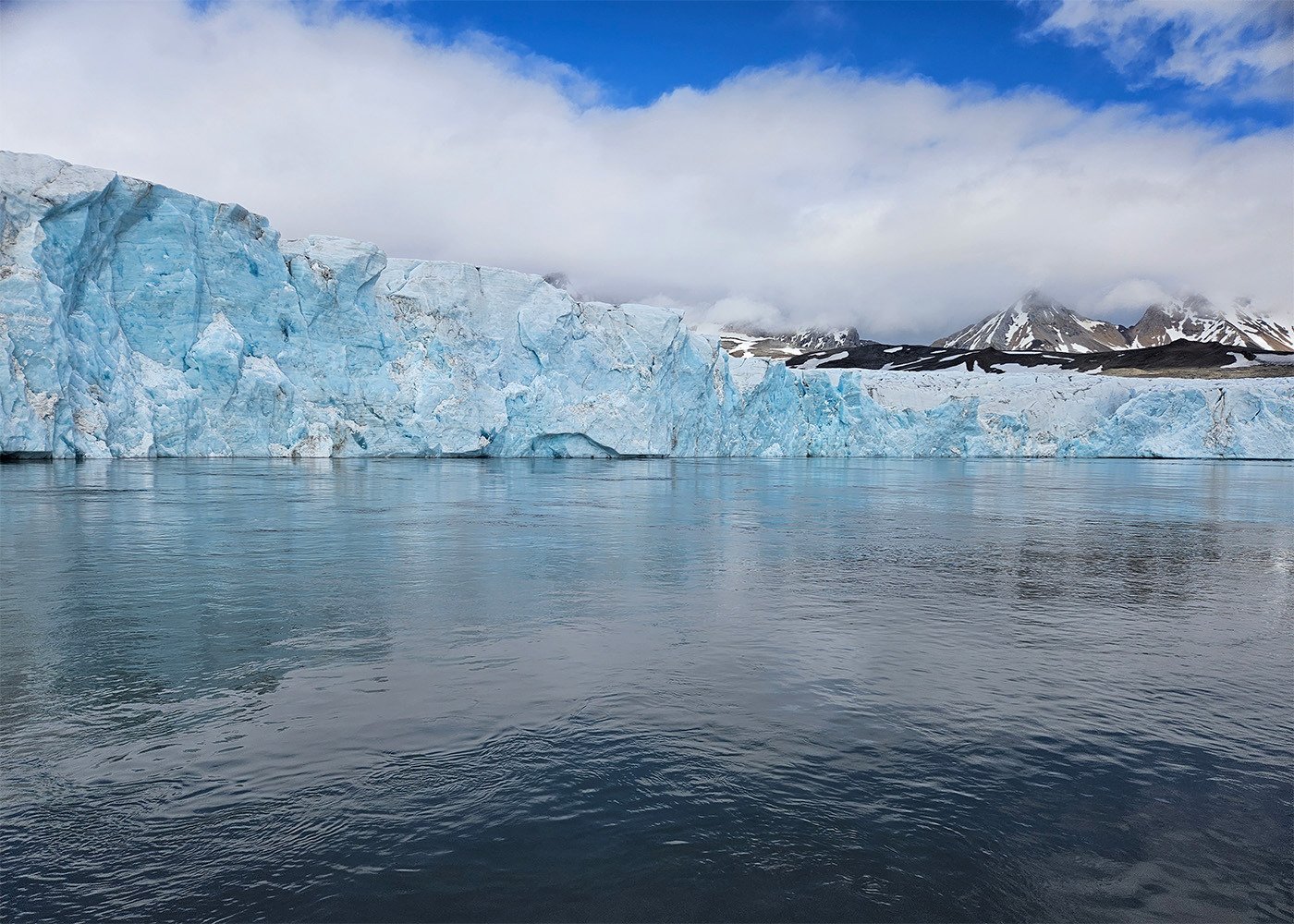
Hans Glacier in Svalbard: a tidewater giant whose underwater mysteries are now being revealed through sound
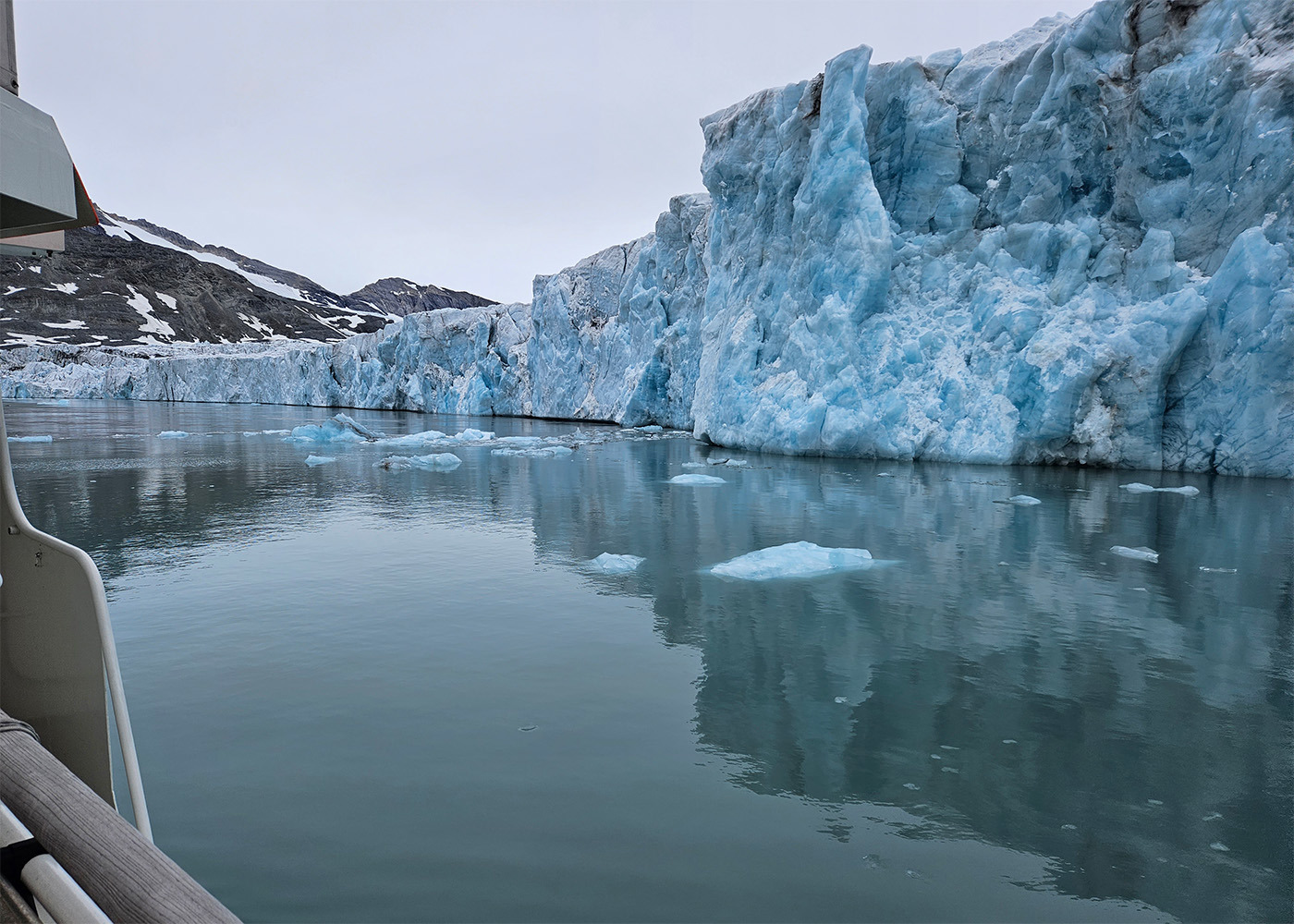
The Hans glacier at Svalbard seen from the sea

Read the full study here: https://doi.org/10.1121/10.0037196

Scientific echo sounders

Learn more about the EK80 system