In the icy waters of Hornsundfjord, Svalbard
Just 1.5 kilometers from the towering face of Hans Glacier
A bold acoustic experiment has shed new light on how Arctic glaciers are changing beneath the surface.
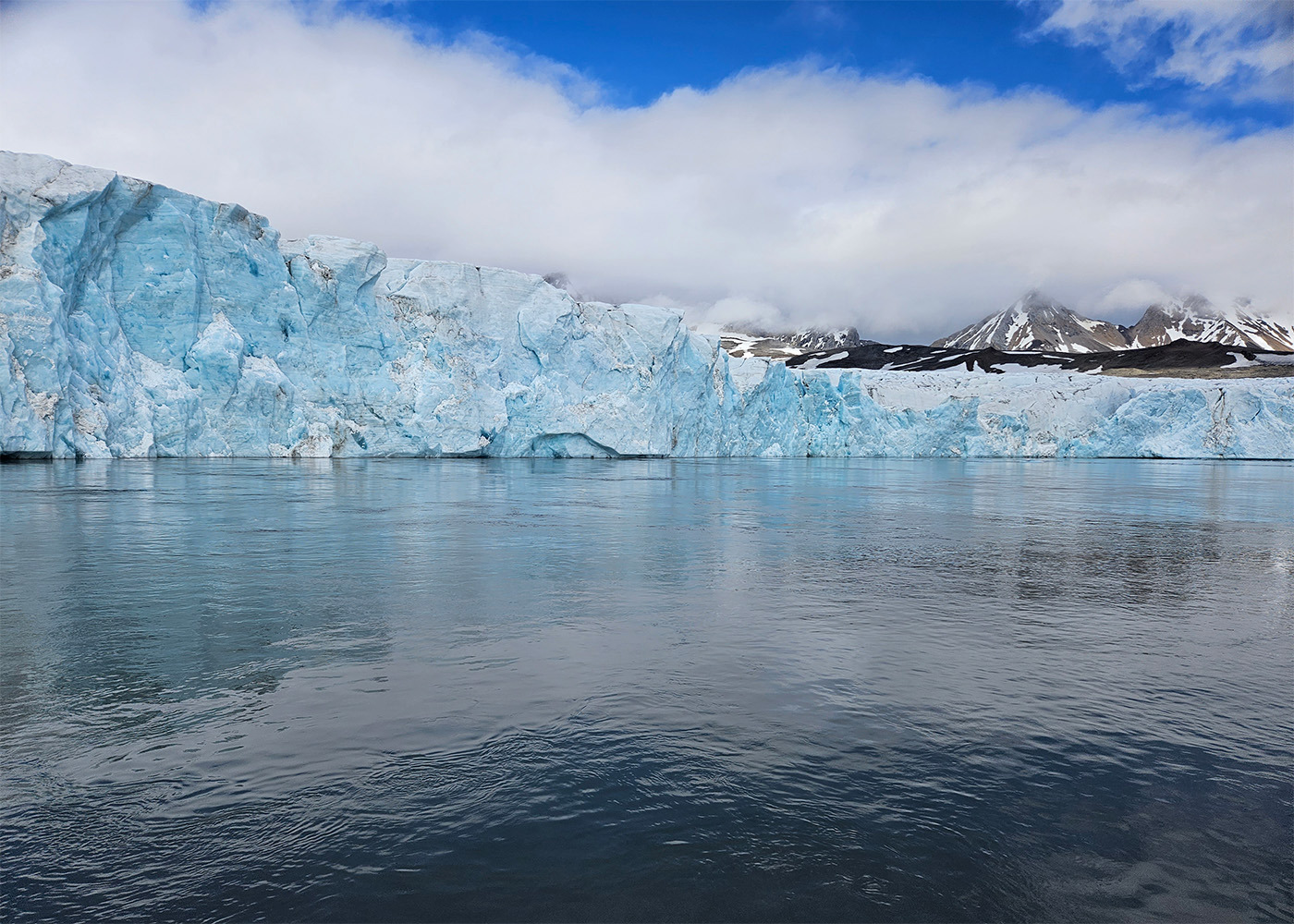
How Sound Reveals the Secrets Beneath the Ice
Far above the Arctic Circle, in the remote Hornsund fjord of Svalbard, the icy silence hides a powerful story.
Just 1.5 kilometers from the towering face of Hans Glacier, a team of scientists set out to answer a question that has long challenged climate researchers:
What happens beneath the surface of a melting glacier?
Getting close enough to find out is nearly impossible.
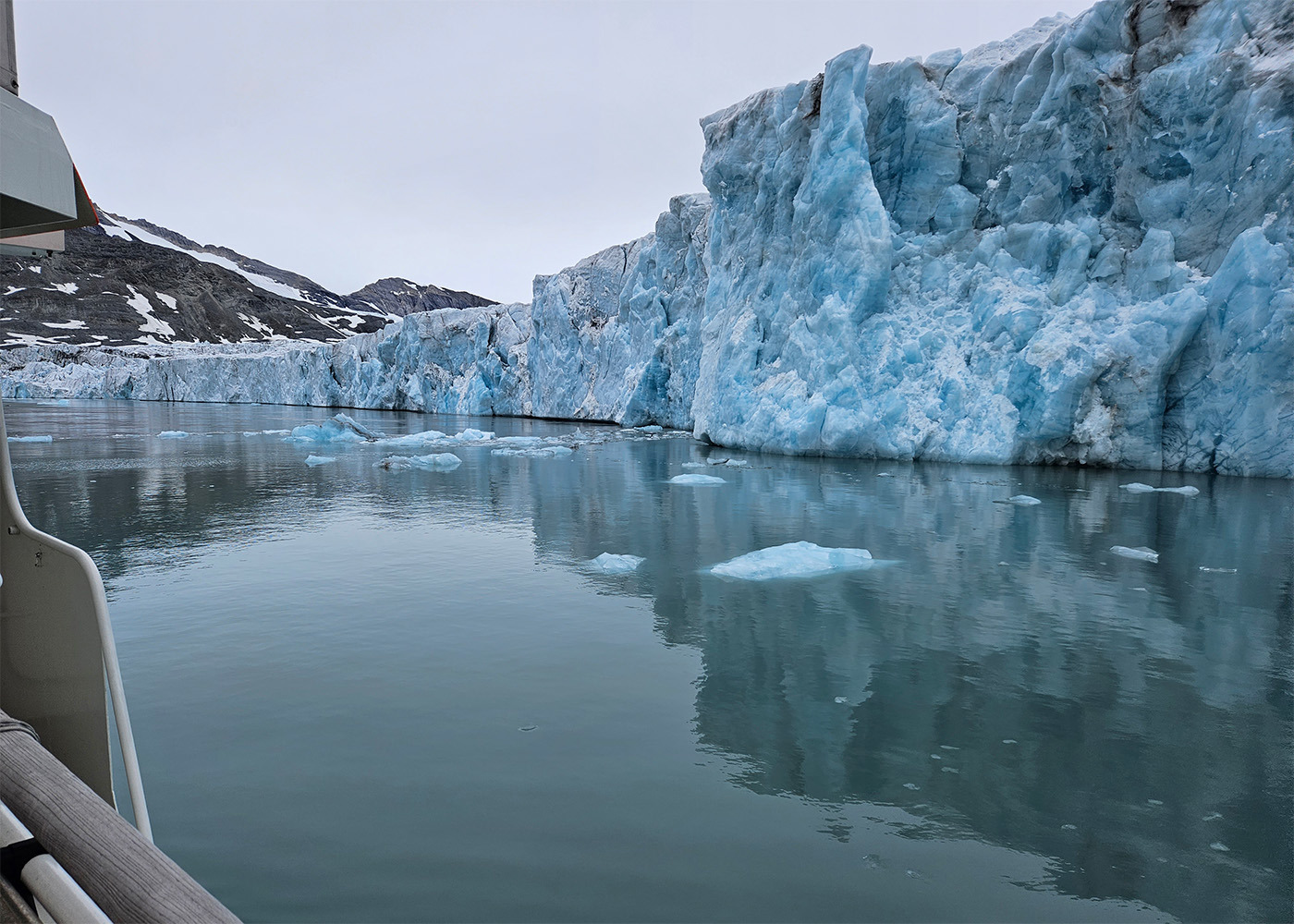
Tidewater glaciers, those that meet the ocean, are unpredictable and dangerous.
Their dramatic calving events, where massive ice chunks break away and crash into the sea, make direct observation a high-risk endeavor.

Elizabeth Weidner, Professor, University of ConnecticutUsing sound waves, we were able to safely collect detailed data without getting too close.
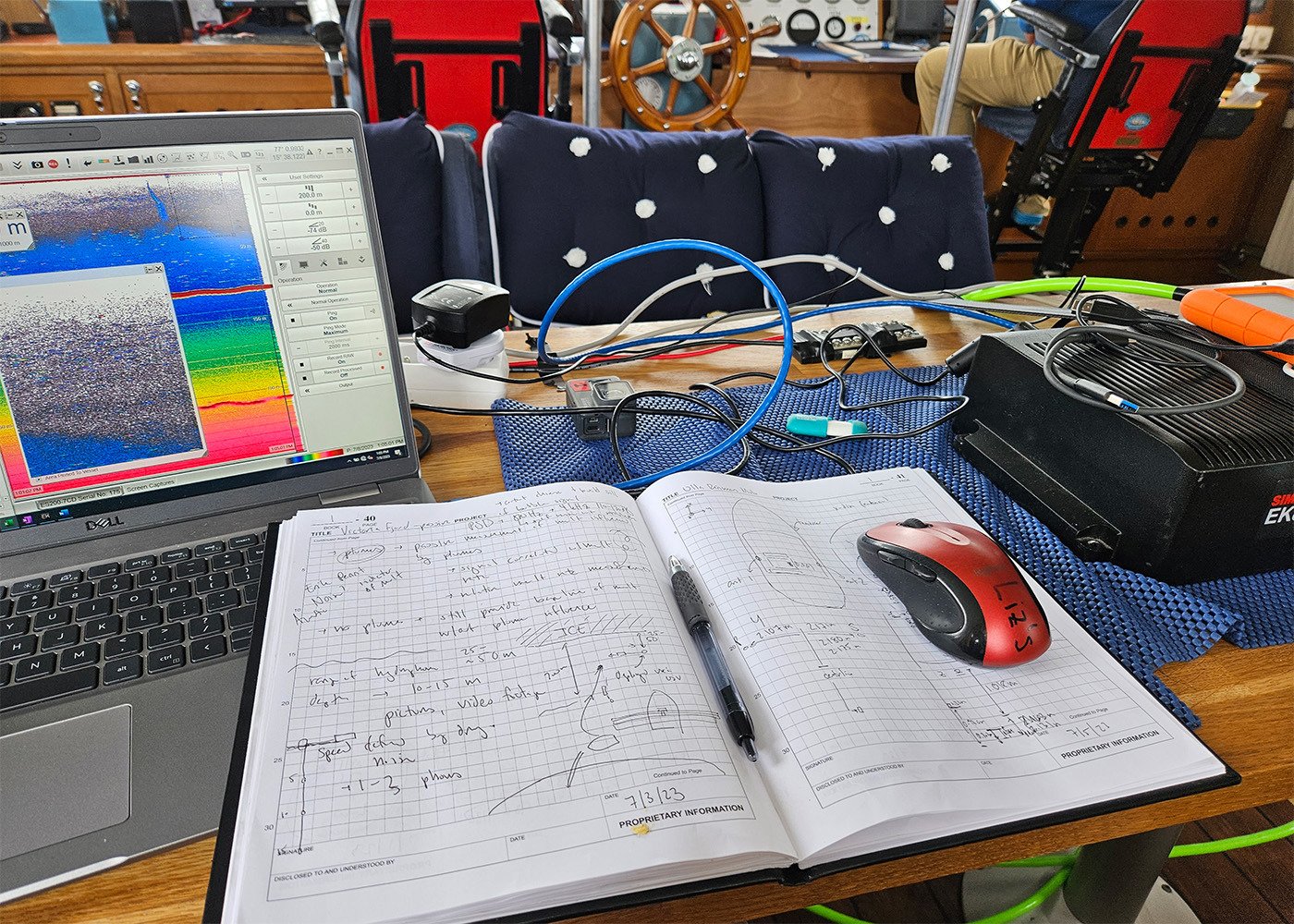
The EK80 in action - turning echoes into insights about the Arctic ice

Professor Elizabeth Weidner from the University of Connecticut
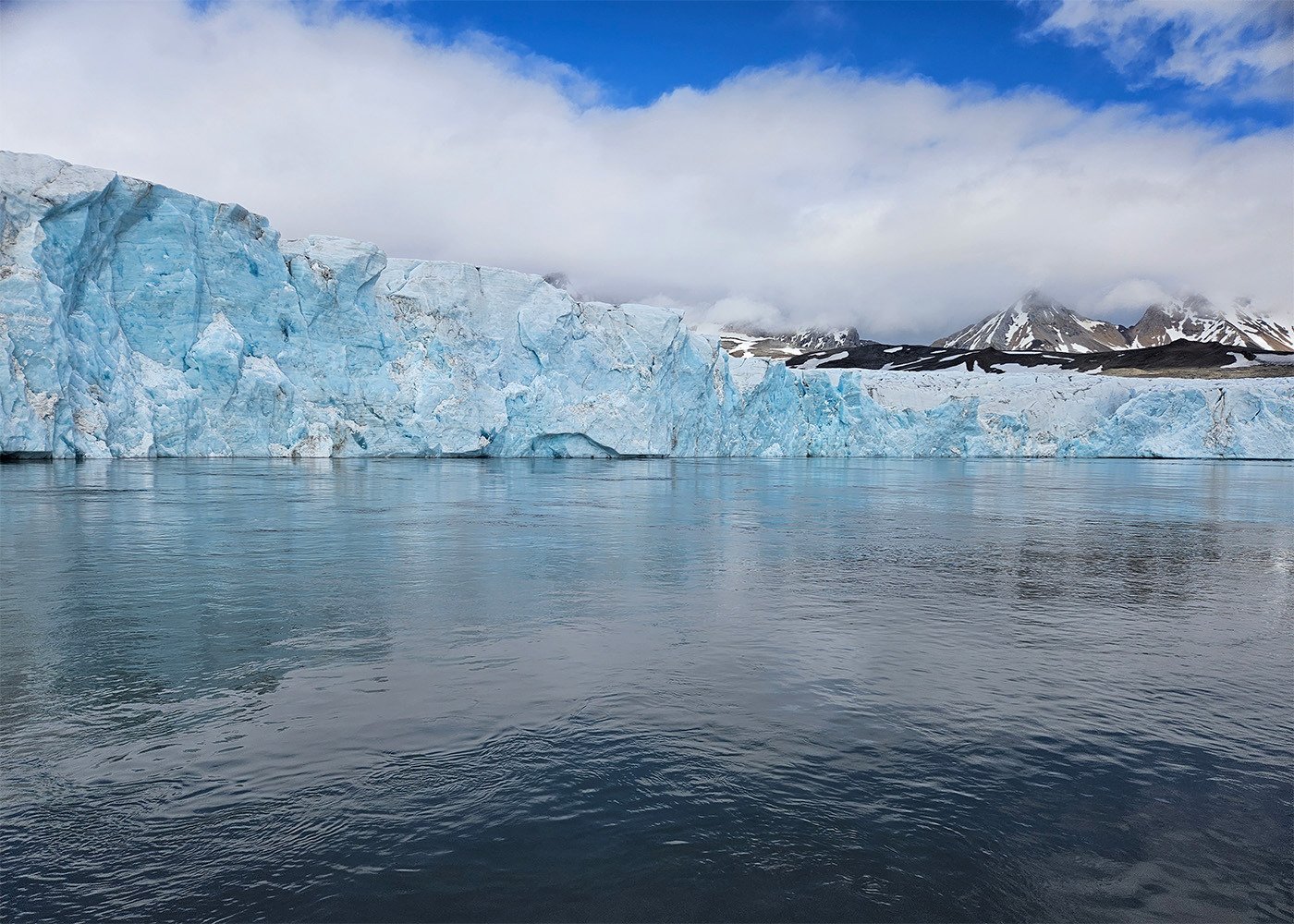
Hans Glacier in Svalbard: a tidewater giant whose underwater mysteries are now being revealed through sound
Scientific echo sounders
Learn more about the EK80 system
