MAAP: Future ready seafarers with K Sim technology and support
At MAAP, future‑ready maritime training depends not only on advanced simulation, but on strong, long‑term support that keeps technology reliable, up to date, and fit for purpose.
-
Anne VoithSenior Marketing and Communication Manager - Simulation
A global benchmark in Maritime Education
When the Maritime Academy of Asia and the Pacific (MAAP) set out to create a maritime training environment that truly prepares cadets for life at sea, realism and long‑term sustainability became non‑negotiable. Today, with 84 simulators across navigation, engine, cargo handling and emerging technologies, MAAP operates one of the largest and most advanced maritime simulator training facilities in the world, educating Filipino seafarers and foreign crew alike.
Established in 1998, MAAP has grown into a world class maritime education and training institution with a campus covering 122 hectares, housing 65 buildings and serving more than 2,100 students at any given time. The academy delivers training not only for cadets, but also for junior and senior officers, retraining programs, and specialized courses for international trainees.
MAAP’s scale is matched by its ambition. The academy operates 84 simulators delivered by Kongsberg Maritime, including K Sim Navigation, Engine, Cargo Handling, Crane, Celestial Navigation, Remote Operator and Digital Twin solutions—forming an integrated simulation ecosystem that supports the full competence spectrum defined by STCW.
K-Sim helps the academy deliver near-to-reality exercises that significantly enhance training quality and learning outcomes. A typical simulator session begins with collaborative exercise design involving subject-matter experts, instructors, facilitators and assessors. Scenarios are coded, validated and reviewed before trainees enter the simulator for briefing, execution, assessment and debriefing—steps that MAAP considers critical for training quality.
Before implementing advanced simulation technologies, MAAP faced a common challenge: ensuring cadets gained sufficient hands‑on experience in a controlled and safe environment. Simulation now fills that gap—replicating operational pressures, equipment behaviour and real‑world decision‑making with remarkable fidelity.
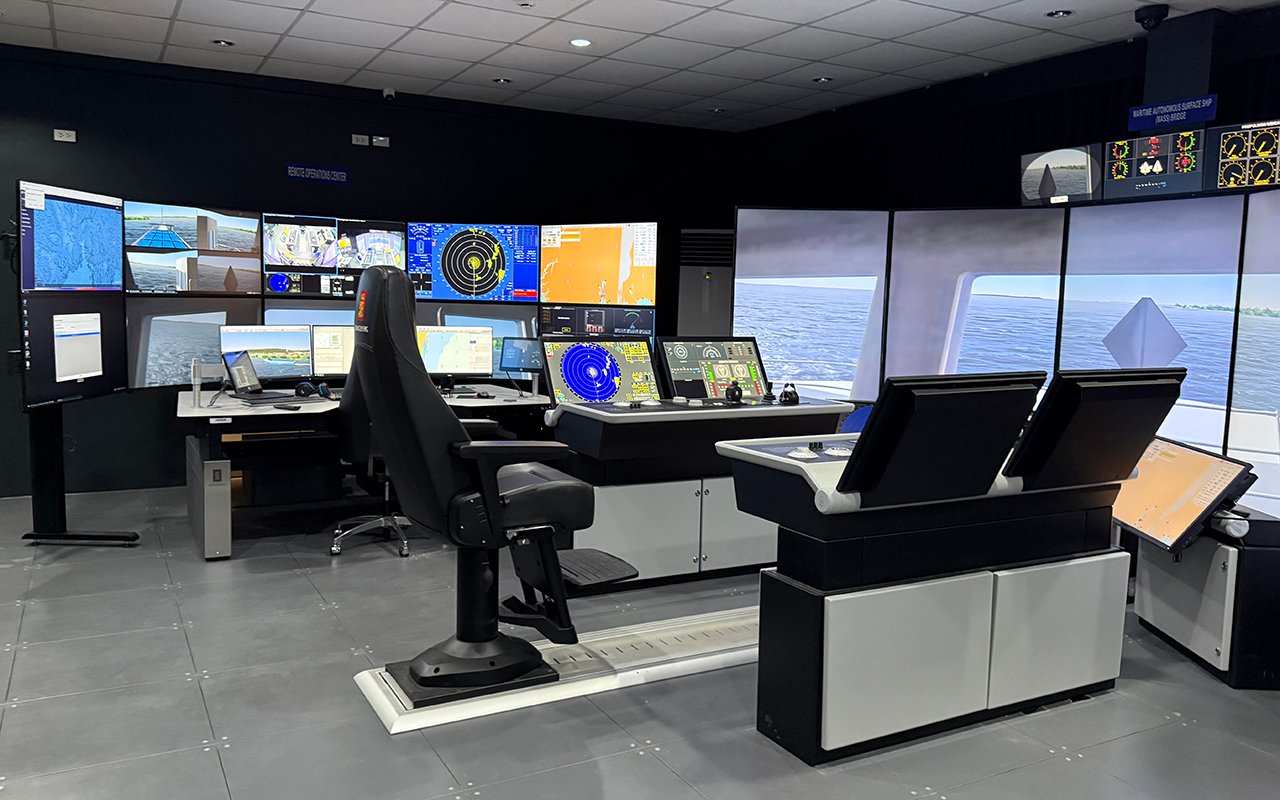
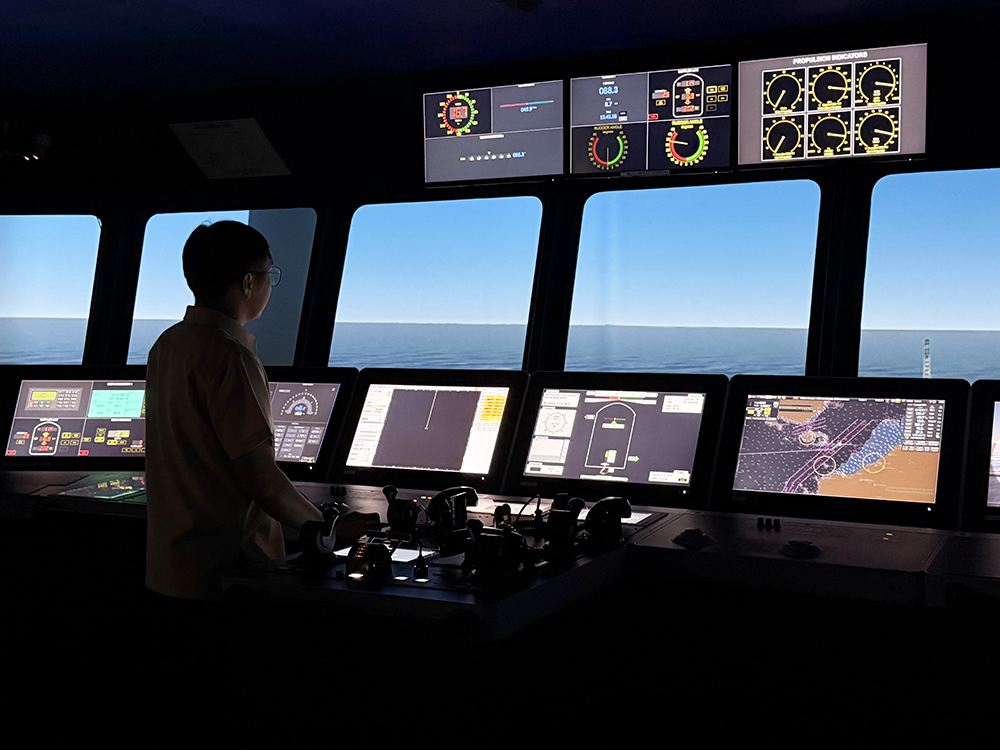
The newly installed K-Sim Navigation configured for remote vessel operator training meeting the training needs of the future
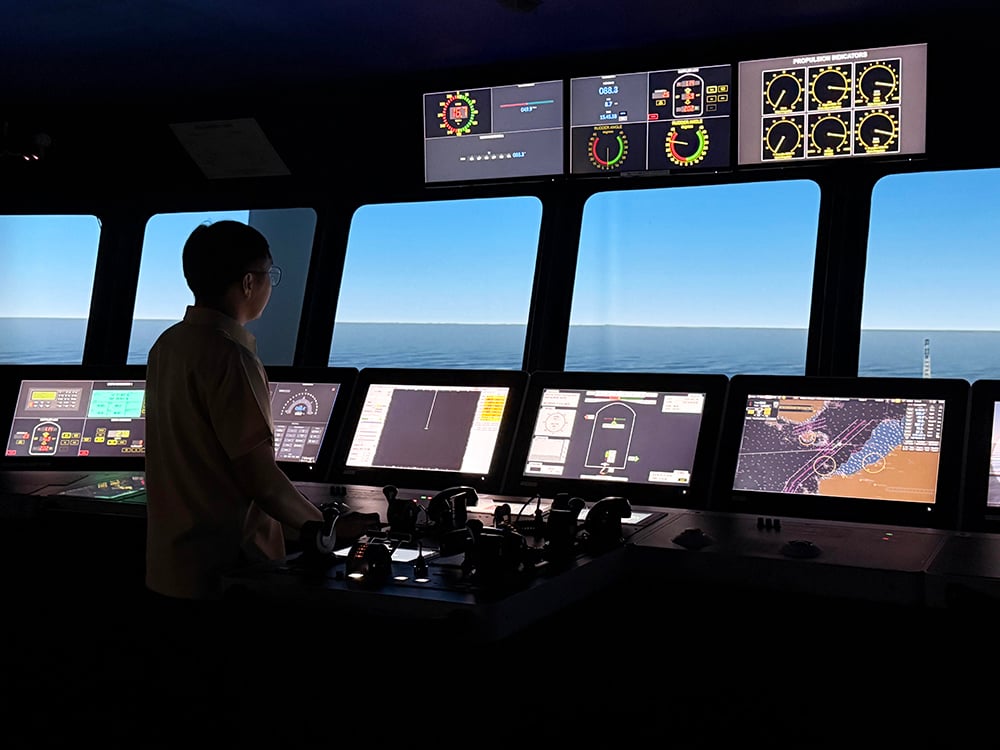
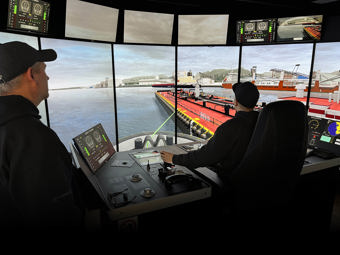
One of the many K-Sim Navigation simulator bridges at MAAP enabling high-quality training for cadets and officers.
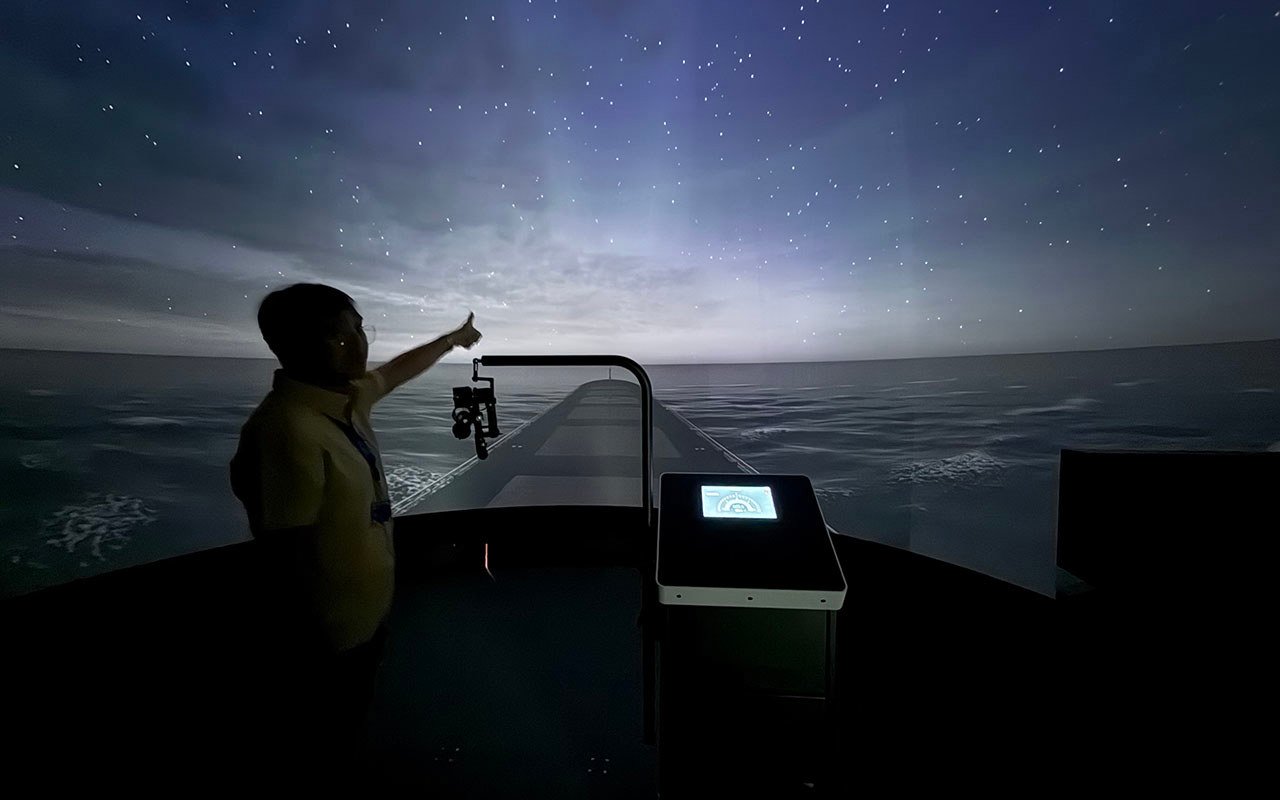
K-Sim Celestial Navigation trainer enables MAAP students to familiarize with the sextant and to navigate the ship after the sun, stars and planets according to the nautical almanac.
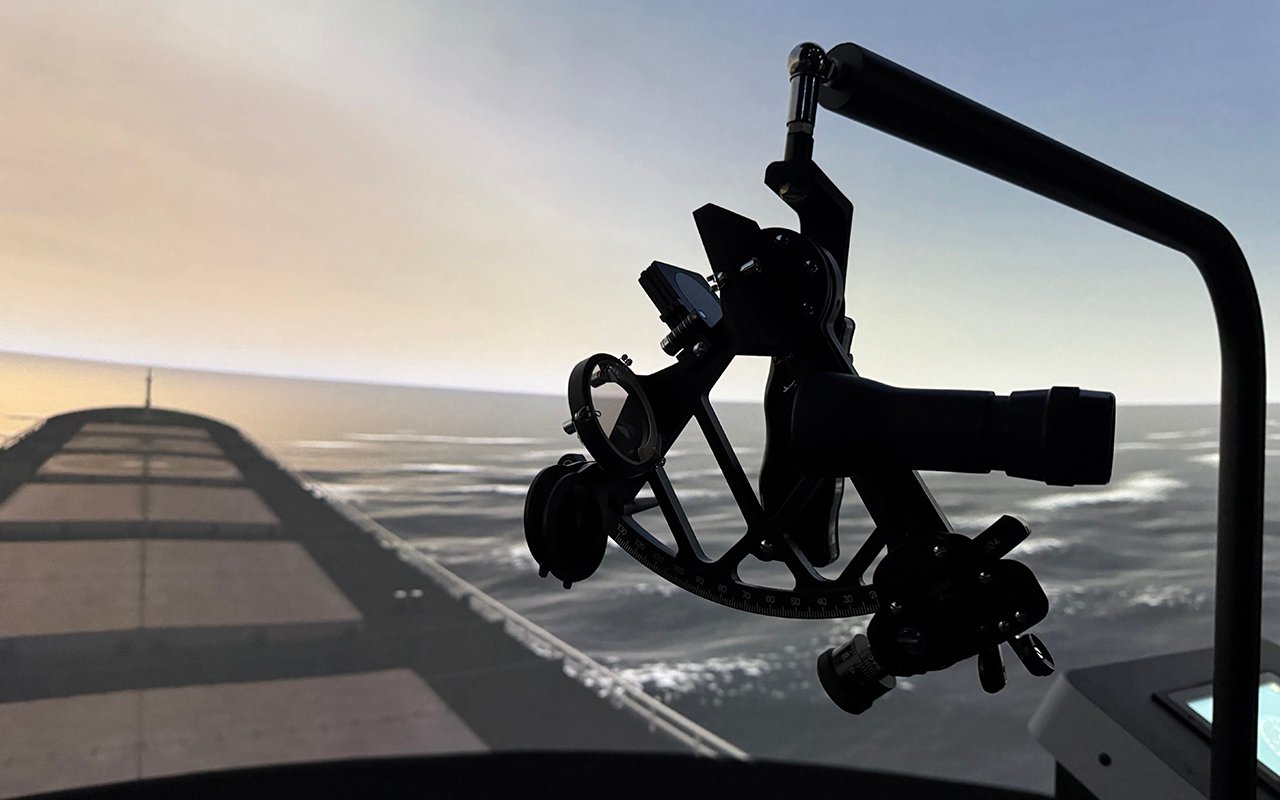
K-Sim Celestial Navigation solution with integrated sextant for hands-on training.
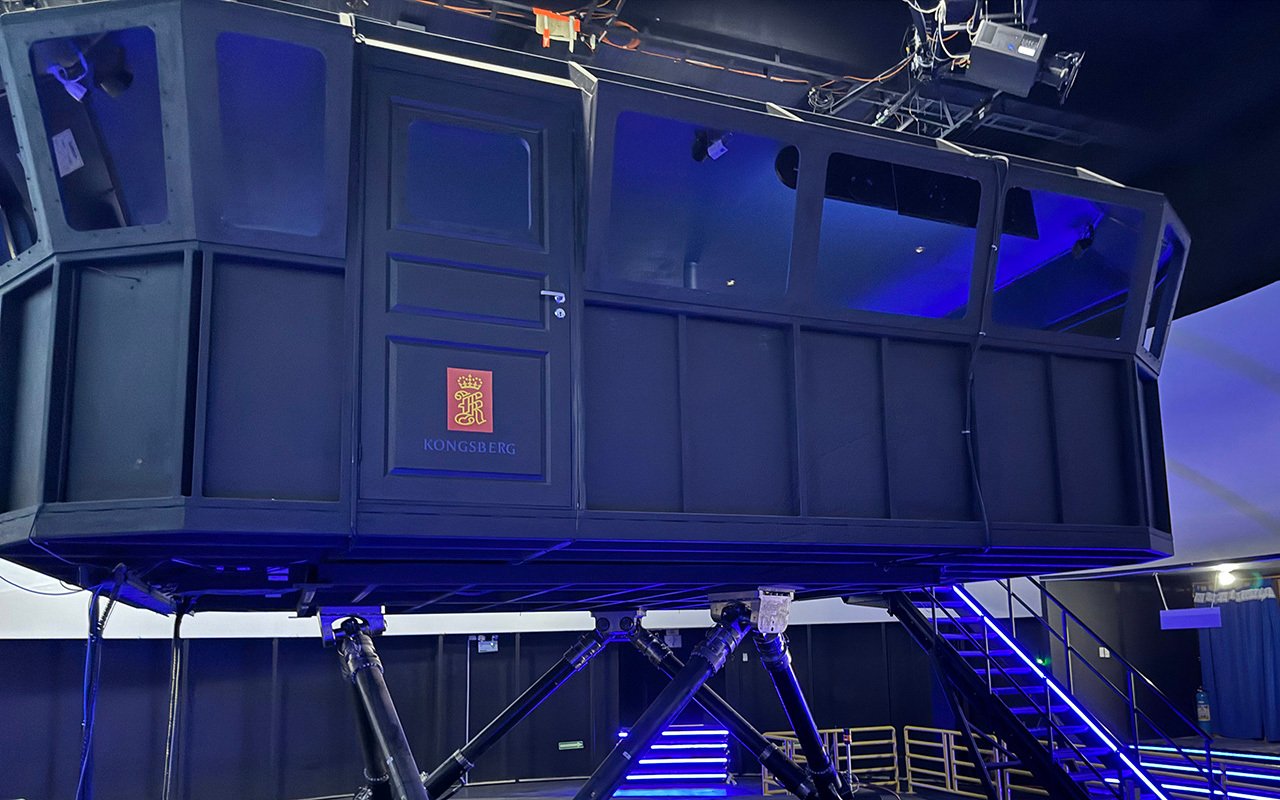
To enhace training, MAAPs simulator park includes a K-Sim Navigation bridge mounted on a motion platform, delivering extremely realistic ship behaviour.
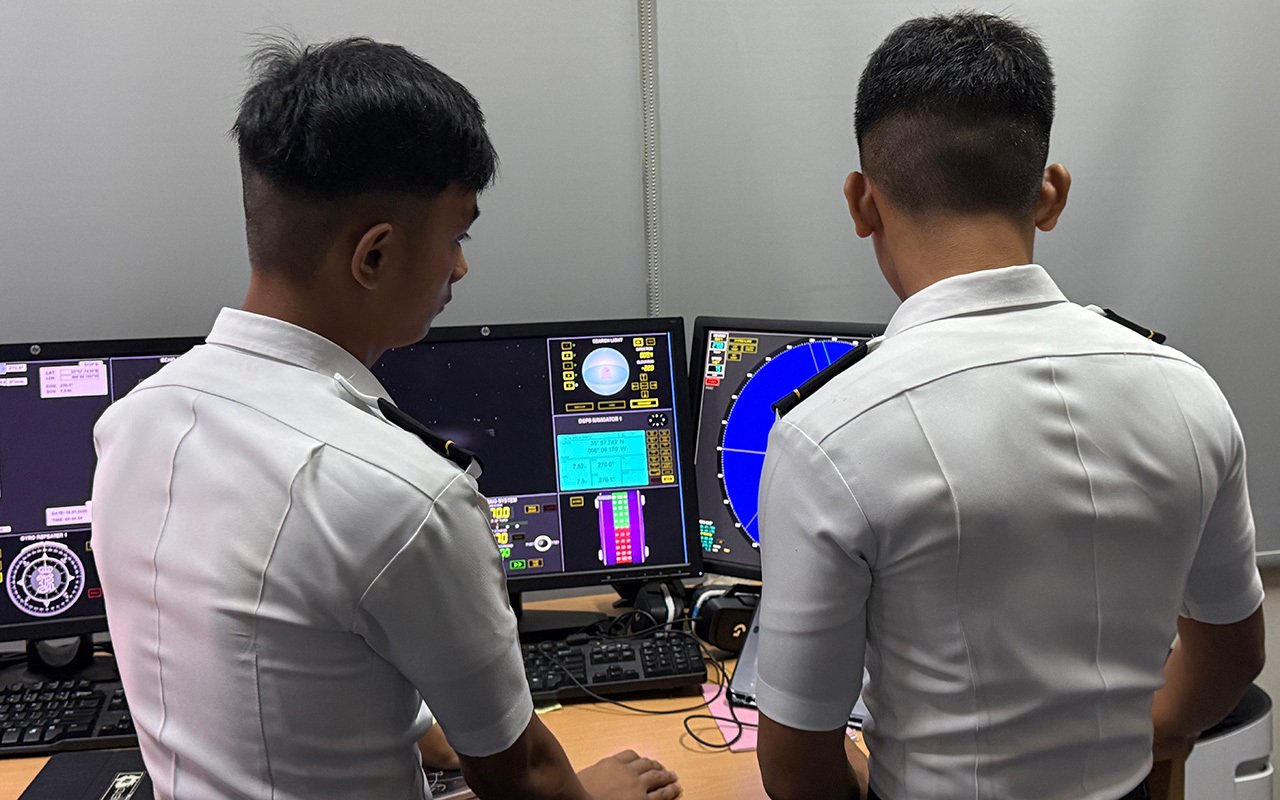
MAAP students can also focus on specific learning tasks, such as RADAR training, shown here.
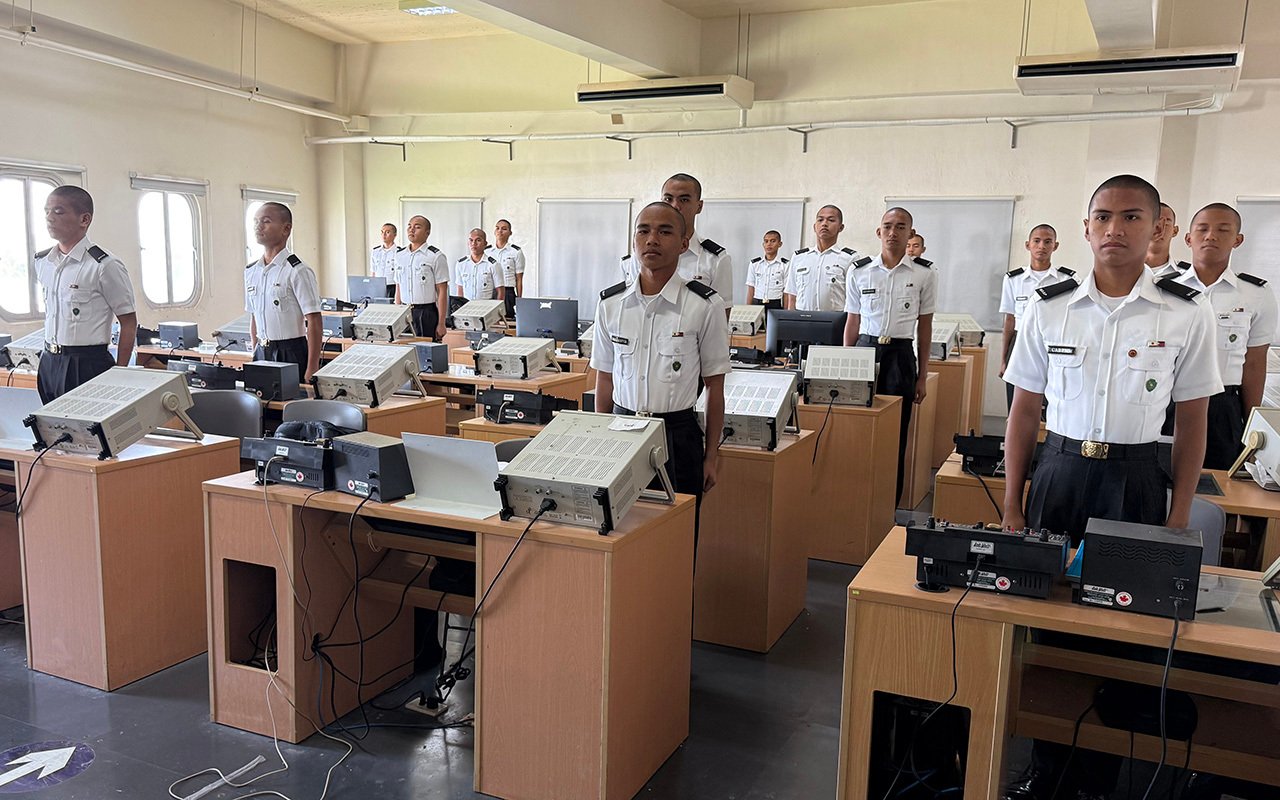
Maap serves more than 2,100 students at any given time and educates cadets as well as junior and senior officers for the international maritime industry.