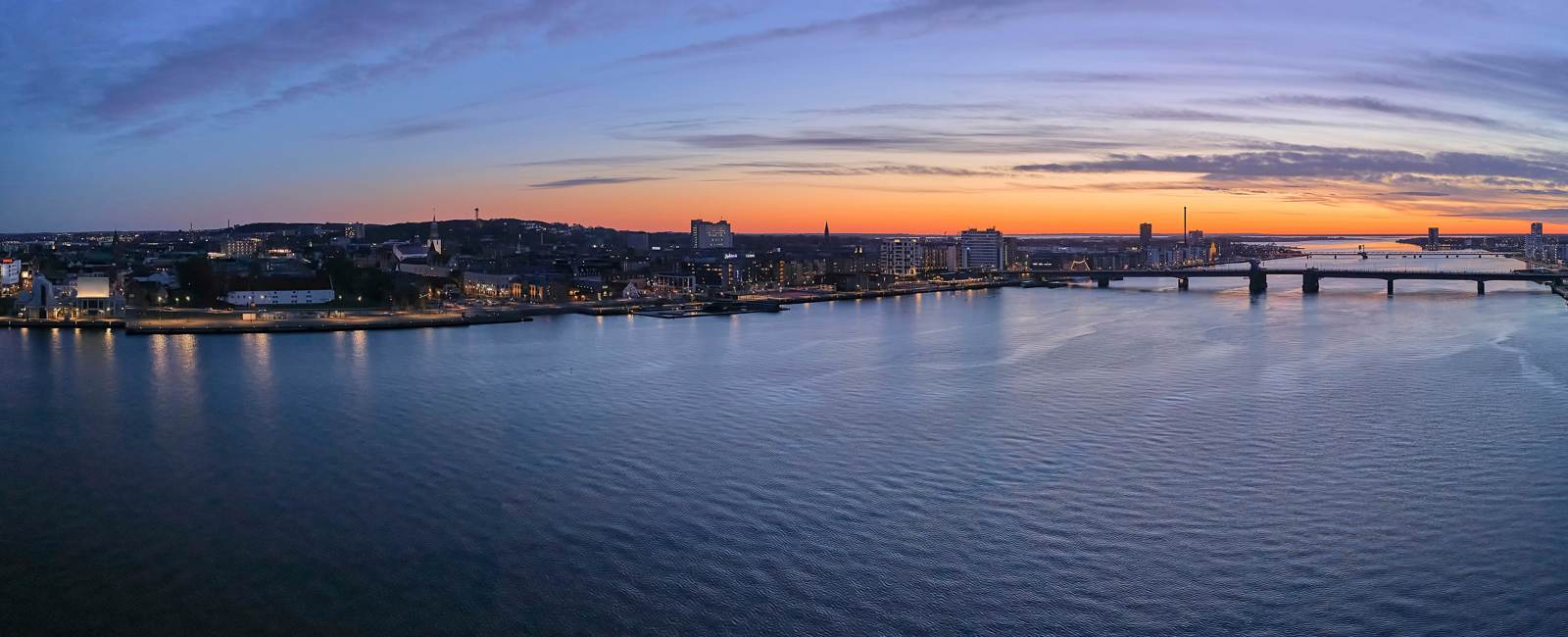
Aalborg: The centre of it all
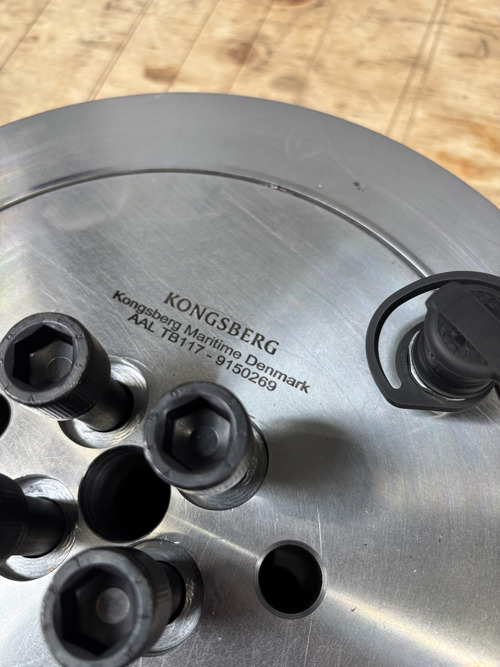
Covid-19 was a source of inspiration for Kongsberg Maritime engineers in Aalborg, Denmark. They transformed their facility from a relatively quiet service centre into a global hub for standardised tool kits for field service engineers, resulting in dramatically faster maintenance and repairs on vessels worldwide.
-
Craig TaylorSenior Manager PR & Communications
A standardised approach to tool kits brings many benefits
Key fact:
The Aalborg team supported more than 250 dry dockings during 2025, up from 160 in 2024.
“We have all the technical information: tech support, machine drawings, know-how and repair procedures,” Rasmus says, and he has high ambitions for his workshop. “We also have the skilled people, and extra machinists were hired recently.”
“We are constantly looking for ways to innovate and improve our services,” he continues. “Our goal is to provide the best possible support to our engineers and customers, ensuring that they have the tools and resources they need to succeed.”
The Aalborg workshop has been so successful that Kongsberg Maritime will develop the concept into key global hubs, cutting maintenance time even more.
“Right now, we are effectively controlling and coordinating everything from Aalborg. Where we want to be is to have regional hubs, similar to Aalborg. This would make servicing in the Americas and Asia-Pacific even faster than it is now,” says Tony Cove, the company’s Head of Global Workshops.