Global demand is soaring for vessels that can operate in polar conditions – and Kongsberg Maritime’s innovative technology and exceptional service model ensure reliability and safety. 

  • Craig Taylor
    Senior Manager PR & Communications

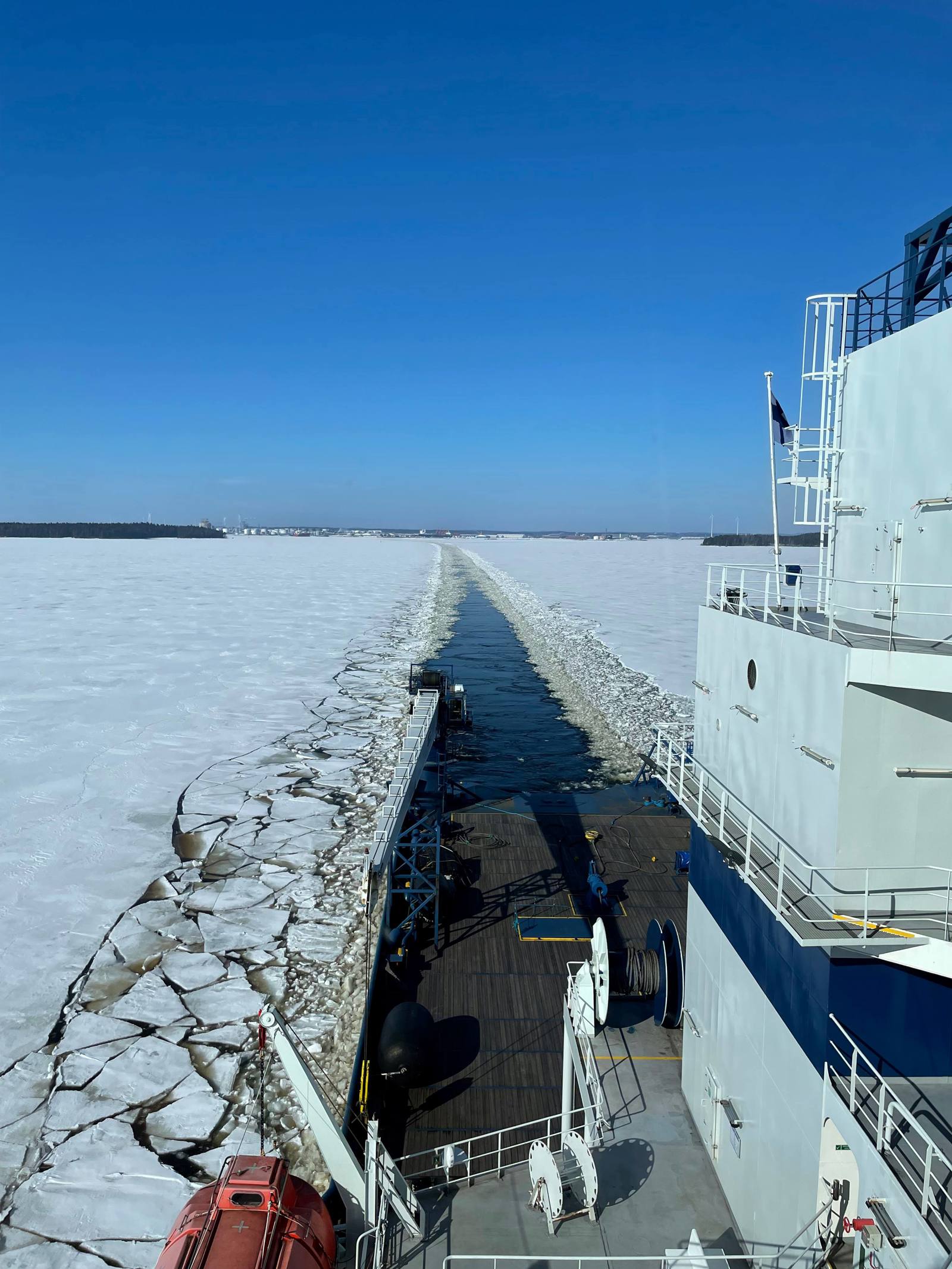
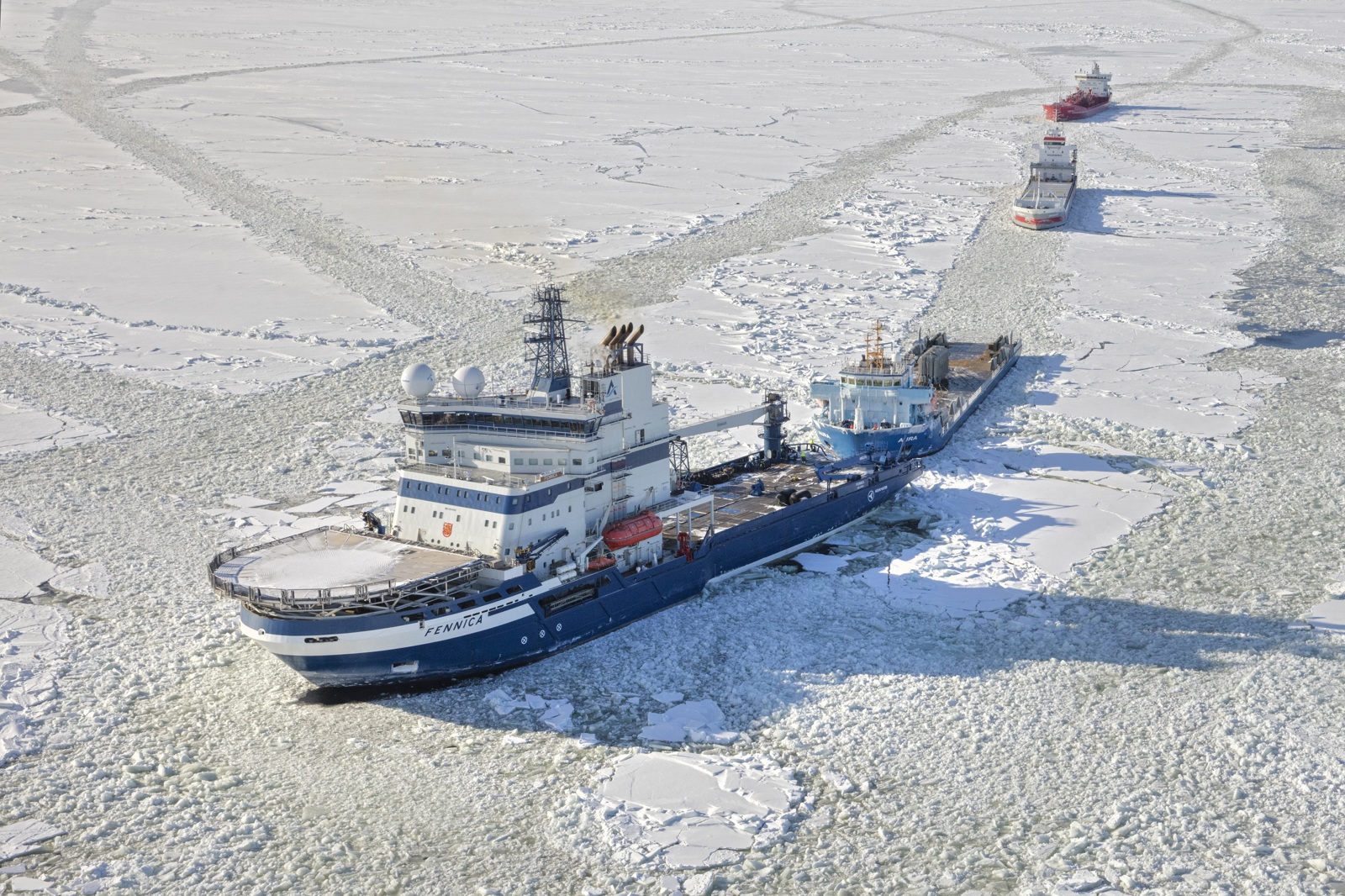
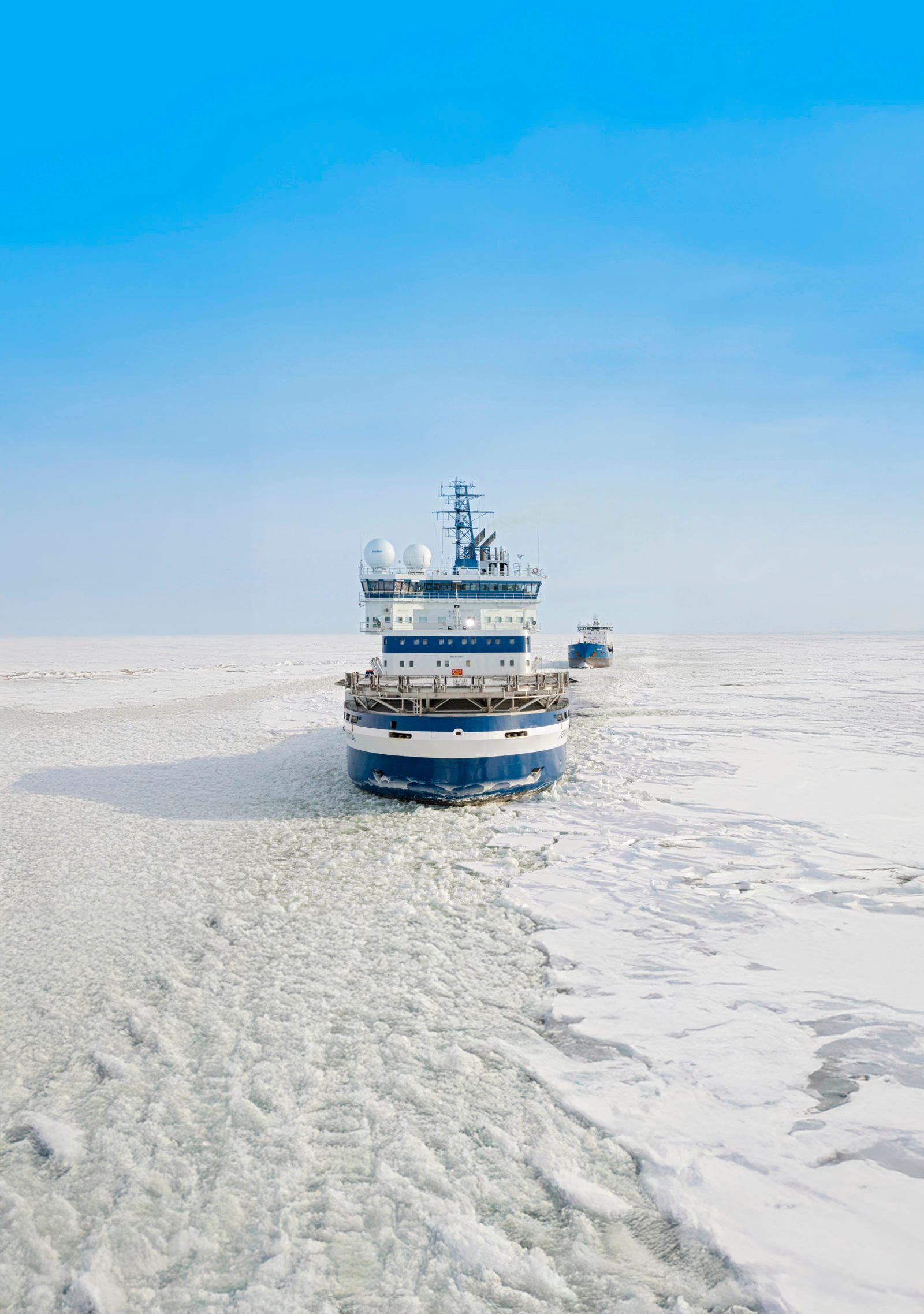
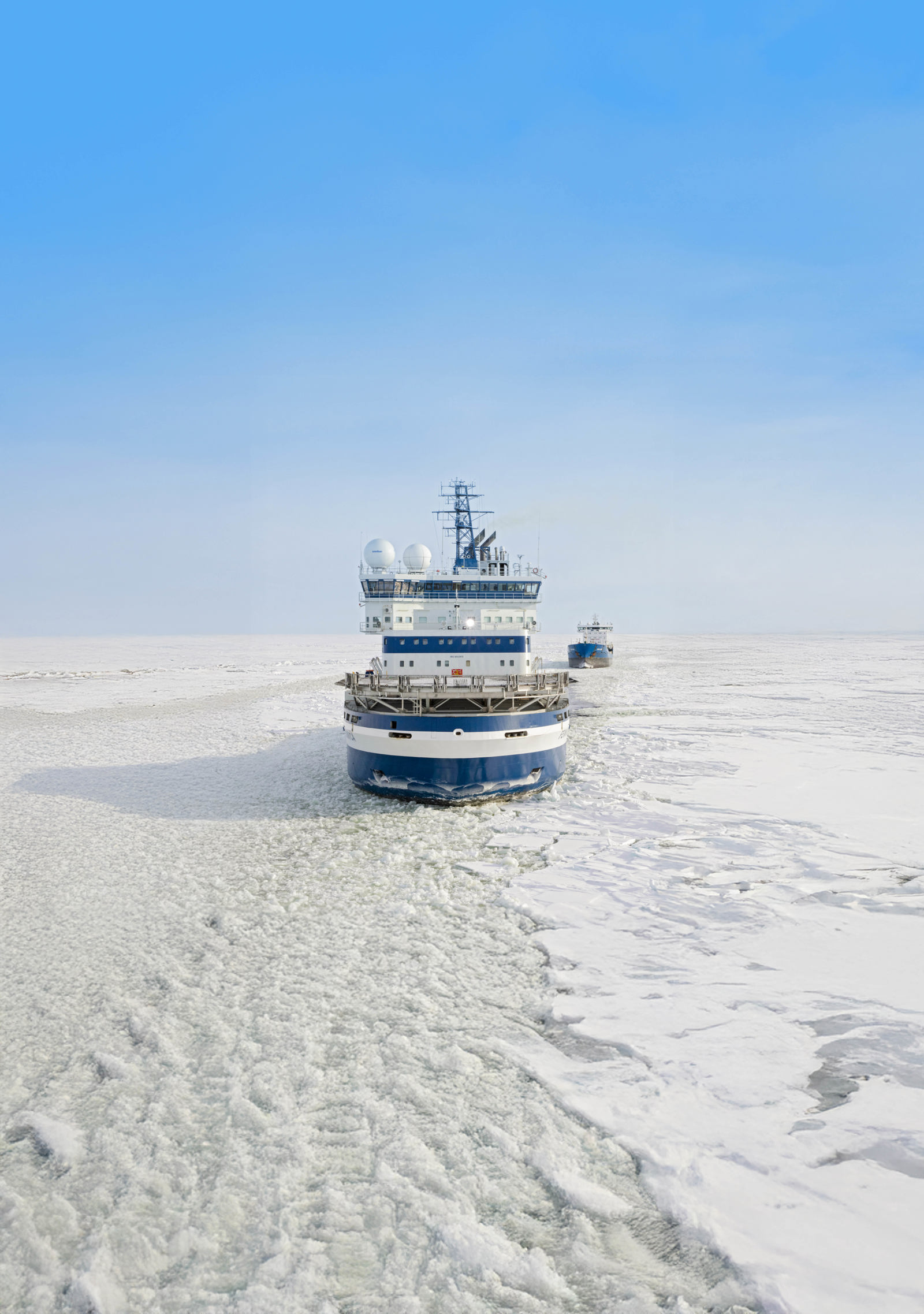
Operating in polar regions is one of the most demanding challenges in maritime engineering. Icebreakers must navigate thick, multi-year ice, overcome ice ridges up to 10 metres high and endure temperatures that can plunge to -50°C (-58°F). Their missions range from escorting commercial vessels and maintaining vital shipping lanes to supporting scientific and environmental research programmes.  


These conditions place extraordinary strain on a range of equipment, including propulsion systems, deck machinery and navigation – all areas where Kongsberg Maritime has decades of experience in delivering proven solutions. 

Trond Paulsen, the company’s Vice President Sales – Research and Icebreakers, says: “Decades of experience in the Arctic and Antarctic have shaped our technology, our engineering practices and our service model, combining robust hardware, intelligent automation and global life cycle support.” 
As global demand for ice‑capable vessels grows, Kongsberg Maritime can draw on its experience of heavy-ice operations.  

ARC thrusters: Engineered for ice 

The core of Kongsberg Maritime’s icebreaker capability is the ARC azimuth thruster, purpose‑built for heavy-ice operations.  
Trond continues: “Reliability is paramount when vessels operate many miles from service hubs, so our ARC thrusters integrate condition monitoring – including vibration, temperature and pressure sensing – and seal monitoring. Our engineers can track performance in real time, provide advance alerts and plan maintenance optimally.” 


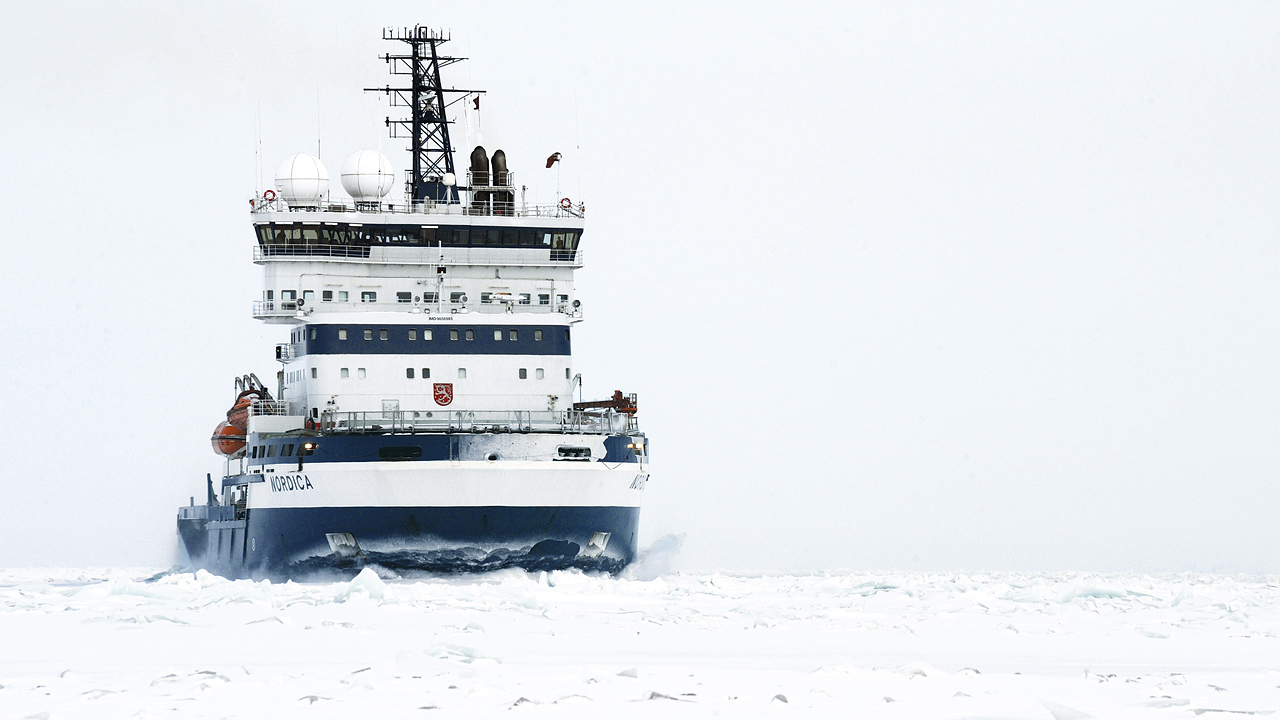
Manufactured at Kongsberg Maritime’s factory in Rauma, Finland, ARC thrusters benefit from rigorous computational fluid dynamics, model tests and close collaboration with Arctic research partners. The thruster body, gears and drivetrain are optimised to handle the enormous forces encountered in icebreaking, particularly in pushing mode, minimising vibration and structural stress when large ice blocks impact the unit. References include Finland’s Nordica and Fennica icebreakers, in service since the early 1990s, and the Norwegian polar research vessel RV Kronprins Haakon. Kongsberg Maritime offers both pushing and pulling arrangements, with ducted or non‑ducted options to suit all operational profiles. “Pulling thrusters provide excellent inflow during transit, while pushing thrusters excel in heavy ice, reducing vibration and enabling channel widening well beyond the width of the vessel,” says Trond. 

Deck machinery 


Deck machinery is another critical area. Anchor and mooring winches must meet stringent steel requirements for low temperatures and, in polar service, key components such as cylinders, oil circuits and piping need heating to ensure responsiveness and safety. For research‑focused icebreakers, Kongsberg Maritime offers a full range of scientific handling equipment, including A‑frames, scientific winches, CTD booms, core handling systems and customised moonpool and hangar systems.  
 

Mission‑ready support

Kongsberg Maritime operates dedicated thruster overhaul facilities at key locations, including Canada, Finland, Norway and the United States. 
Tero Venttola, the company’s Service Operations Manager – Thrusters, explains: “In Rauma [Finland], our teams have experience of overhauling the ARC units for Arctia’s icebreakers Nordica and Fennica. Because Arctia maintains a spare thruster, overhauls can be expedited, so if the customer demands it, a full overhaul could be completed in around three weeks.”  
Propeller configuration influences maintenance strategy. Some owners choose to carry spare blades on board for ‘built’ propellers with bolted blades, enabling rapid replacement if damage occurs.  

Global service network and spares

In addition to its thruster centres, Kongsberg Maritime maintains a large network of service facilities and field engineers across many countries, with a particularly strong presence in North America, Northern Europe and Asia.  
“Our teams deliver complex repairs,” says Tero. “This includes planned maintenance and life cycle upgrades, coordinating closely with owners to align work scopes with limited docking windows.” 

Availability of critical components is one of the biggest challenges in polar operations. Kongsberg Maritime maintains extensive stocks of long lead‑time spare parts to support urgent needs and planned overhauls. Coupled with remote condition monitoring, the company helps operators anticipate issues, schedule interventions and reduce risk. Tailored service agreements for polar‑class vessels, training solutions such as K‑Sim Ice Operations and digital support tools provide a service model designed for reliability, safety and total life-cycle value.